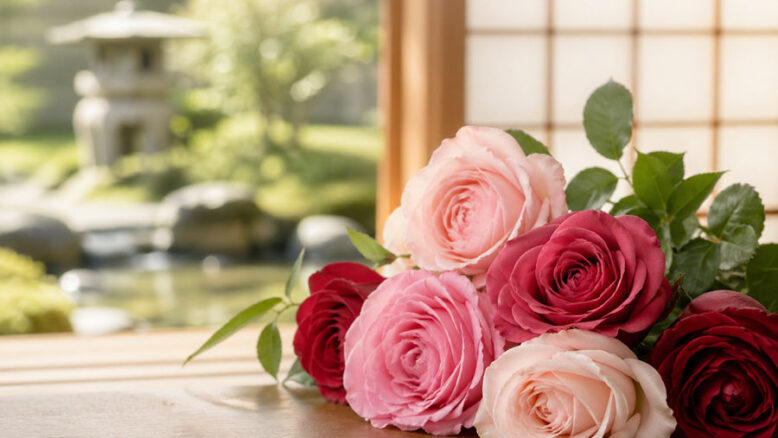
Rose names feel romantic, graceful, and full of beauty. In Japanese, the direct word for rose is bara, usually written as 薔薇. However, 薔薇 is not a common choice for everyday Japanese given names, so many of the best rose-inspired names come from related ideas instead.
This guide includes names connected to flowers, fragrance, red and pink colors, elegance, gardens, and soft natural beauty. Some names are realistic choices, while others work better for fictional characters, pen names, or creative projects.
What Does “Rose” Mean in Japanese?
The main Japanese word for rose is bara. It can be written as 薔薇 in kanji, ばら in hiragana, or バラ in katakana.
You may also see rōzu, written as ローズ. This comes from the English word “rose.” It has a modern, decorative feeling and is more likely to appear in brands, nicknames, stage names, or fictional settings than in traditional Japanese naming.
Because 薔薇 is a complex flower word, it is better to treat it carefully. A name can still feel rose-like without using the exact kanji for rose. Ideas such as flower, scent, crimson, beauty, and elegance often sound more natural.
Can Japanese Names Directly Mean Rose?
Yes, a Japanese word can directly mean rose, but that does not always make it a natural personal name. Bara is clear as a word, but it may feel unusual as a given name.
This is one of the most important things to understand about Japanese names. A name is not only about translation. It also depends on sound, kanji, readability, cultural feeling, and how naturally the name works in real life.
For a real baby name, rose-related kanji should be checked very carefully with current naming rules and native-language guidance. For a story, game, or character, direct rose names can be beautiful when the dramatic feeling is intentional.
Japanese Names That Directly Mean Rose
Direct rose names are limited. These choices are best understood as literal, poetic, or creative options rather than common everyday Japanese names.
Bara
Bara means “rose.” It is the most direct Japanese word for the flower. As a personal name, it is rare and may sound more symbolic than natural. It can work well for a character, nickname, or artistic name.
Sōbi or Shōbi
Sōbi and Shōbi are rarer readings connected with 薔薇. These forms feel more literary and old-fashioned than ordinary. They may suit a graceful, mysterious, or dramatic character.
Rōzu
Rōzu is the Japanese katakana form of “rose.” It sounds modern and international. It is not a traditional Japanese given name, but it can fit a fashion-inspired character, stage name, or fantasy setting.
Creative Rose-Style Names
Names such as Barako or Barami can be created from bara plus name-like endings, but they should not be presented as common Japanese names. They are better for fiction or stylized naming, where a symbolic rose meaning matters more than natural everyday use.
Rose-Inspired Japanese Girl Names
Many lovely Japanese girl names do not mean rose directly, but they carry a similar mood. These names suggest flowers, fragrance, soft color, beauty, and gentle elegance.
Hana
Hana means “flower” when written as 花. It is simple, warm, and easy to understand. While it does not mean rose specifically, it is one of the most natural choices for a floral Japanese name.
Hanako
Hanako can mean “flower child” when written as 花子. It has a classic feeling and a clear floral meaning. It is softer and more natural than most invented rose names.
Kaori
Kaori is strongly connected with fragrance when written with 香 or related forms. Since roses are loved for their scent, Kaori is one of the prettiest indirect rose-inspired names.
Momoka
Momoka can be written with kanji for peach, flower, fragrance, or beauty, depending on the chosen characters. It often gives a sweet pink-blossom feeling, which makes it a gentle match for pink rose imagery.
Akane
Akane means a deep red or madder-red color when written as 茜. It is a strong choice for the feeling of a red rose without using the word rose itself.
Beni
Beni means crimson or rouge when written as 紅. It has a rich color image and can feel poetic, elegant, or vintage.
Ayaka
Ayaka can be written with kanji related to color, flower, fragrance, or beauty. The exact meaning changes by kanji, but the sound and possible meanings can fit a graceful rose-inspired name.
Miyabi
Miyabi means elegance or refinement. It does not mean rose, but it carries the polished beauty that many people associate with roses.
Rose-Inspired Japanese Boy Names
Rose-inspired boy names usually work best through indirect meanings. Instead of using the exact word for rose, these names suggest fragrance, spring, flowers, refinement, or natural beauty.
Kaoru
Kaoru means “fragrance” or “to be fragrant” when written with kanji such as 薫. It can be used in different gender contexts and has a calm, elegant sound.
Ren
Ren often means “lotus” when written as 蓮. It is not a rose, but it is a well-known flower name with a clean and graceful feeling. It works especially well for readers who want a floral name that feels more natural than a direct rose translation.
Haruki
Haruki can have meanings related to spring, trees, light, or brightness depending on the kanji. It does not mean rose, but it can suggest the fresh feeling of a blooming garden.
Aoi
Aoi can be written as 葵, referring to hollyhock, or with other kanji for different meanings. As a botanical name, it has a soft nature-based feeling.
Kōki
Kōki can be written with kanji for brightness, radiance, hope, or noble feeling. It is not floral by itself, but it can pair well with rose symbolism in character naming.
Japanese Flower Names Similar to Rose
If you want a Japanese name with a natural floral meaning, these flower names may be better choices than a literal rose name. They do not mean rose, but they share the same sense of beauty and softness.
Sakura
Sakura means “cherry blossom” when written as 桜. It is one of the most familiar Japanese flower names and has a gentle, spring-like feeling.
Sumire
Sumire means “violet.” It sounds soft and refined, making it a lovely option for a delicate floral name.
Yuri
Yuri means “lily” when written as 百合. It has a graceful floral meaning and a clean, classic sound.
Ran
Ran can mean “orchid” when written as 蘭. It feels elegant, stylish, and slightly dramatic.
Tsubaki
Tsubaki means “camellia” when written as 椿. Camellias are admired in Japan, and their layered blooms can feel close to roses in mood and appearance.
Ayame
Ayame means “iris.” It has a graceful, traditional feeling and works well for a soft nature-inspired name.
Japanese Names With Rose Colors: Pink, Red, and Crimson
Roses are often loved for their color. A color-based Japanese name can capture the feeling of a rose without using the direct flower word.
Akane
Akane means deep red. It is one of the strongest choices for a red-rose image.
Beni
Beni means crimson or rouge. It gives the name a rich, romantic color tone.
Momo
Momo means “peach” when written as 桃. It can suggest soft pink color, sweetness, and spring blossoms.
Momoka
Momoka can combine peach, flower, fragrance, or beauty-related kanji. This makes it a gentle choice for a pink rose-inspired name.
Kurenai
Kurenai means deep crimson when written as 紅. It is bold and poetic, so it may work better for a character than for a casual everyday name.
Japanese Names With Rose-Like Meanings: Beauty, Fragrance, and Grace
A rose can symbolize beauty, scent, elegance, love, softness, and strength. These names do not mean rose directly, but they match the feeling well.
Kaori
Kaori means fragrance. It is a soft and natural rose-inspired choice.
Kaoru
Kaoru also relates to fragrance. It has a quieter and more gender-neutral feeling than Kaori.
Kaho
Kaho can be written with kanji connected to fragrance, flowers, beauty, or other positive meanings. The meaning depends on the chosen characters.
Mika
Mika can have meanings related to beauty, fragrance, or good fortune depending on the kanji. It is short, bright, and easy to use.
Emi
Emi can mean “beautiful smile” with certain kanji combinations. It gives a warm, gentle feeling rather than a direct floral meaning.
Reina
Reina can be written in several ways, with meanings that may suggest beauty, elegance, lovely sound, or other refined ideas. It has a modern and graceful feel.
Japanese Last Names Connected to Flowers and Gardens
Japanese surnames often come from nature, places, fields, villages, and landscapes. Direct rose surnames are not common, but flower and garden surnames can create a similar image.
Hanada
Hanada can mean “flower field” when written as 花田. It has a clear floral meaning and a grounded surname feeling.
Hanamura
Hanamura can mean “flower village” when written as 花村. It sounds gentle, scenic, and useful for character naming.
Hanazawa
Hanazawa can suggest a flower marsh or flower stream, depending on the kanji used for zawa. It has a soft nature-based feeling.
Sonoda
Sonoda can mean “garden field” when written as 園田. It does not mean rose, but it can suggest a place where flowers grow.
Sakurai
Sakurai can mean “cherry blossom well” when written as 桜井. It is not rose-related, but it has a graceful flower image.
Best Rose-Inspired Japanese Names for Characters
For characters, you can be more symbolic than you would be with a real baby name. The best choice depends on whether the character should feel soft, dramatic, elegant, or nature-inspired.
Soft and Romantic Names
- Hana — flower
- Kaori — fragrance
- Momoka — peach, flower, or fragrance meanings depending on kanji
- Ayaka — color, flower, beauty, or fragrance meanings depending on kanji
Elegant and Dramatic Names
- Sōbi — rare rose-related reading
- Kurenai — deep crimson
- Miyabi — elegance or refinement
- Reina — graceful modern name with meanings depending on kanji
Nature-Based and Gentle Names
- Sakura — cherry blossom
- Sumire — violet
- Tsubaki — camellia
- Ren — lotus
How to Choose a Japanese Name That Means Rose
Start by deciding whether you want a literal rose meaning or a rose-inspired feeling. If you want the most direct meaning, bara is the clearest word. If you want something that sounds more natural as a name, look at related meanings instead.
A rose-inspired Japanese name may connect to flowers, fragrance, red or pink color, beauty, elegance, or gardens. These meanings often feel softer and more believable than a direct translation.
Always check the kanji before choosing a name. The same romanized name can have many different meanings depending on the characters. For example, Momoka, Ayaka, Kaho, and Reina can all be written in different ways.
For fictional names, think about tone. A gentle character might suit Hana or Kaori. A dramatic character might suit Kurenai or Sōbi. A refined character might suit Miyabi. A nature-loving character might suit Sakura, Tsubaki, or Ren.
Quick List: Best Japanese Rose-Inspired Names
- Hana — flower
- Kaori — fragrance
- Kaoru — fragrant
- Akane — deep red
- Beni — crimson
- Momoka — peach, flower, or fragrance meanings depending on kanji
- Ayaka — color, flower, beauty, or fragrance meanings depending on kanji
- Sakura — cherry blossom
- Sumire — violet
- Tsubaki — camellia
- Ren — lotus
- Miyabi — elegance or refinement
- Kurenai — deep crimson
- Rōzu — rose, from English
- Bara — rose, direct but uncommon as a name
Conclusion
The most direct Japanese word for rose is bara, written as 薔薇. It is beautiful, but it is not a common everyday given name. For that reason, the best Japanese names that mean rose are often rose-inspired rather than literal.
Names like Hana, Kaori, Akane, Momoka, Sakura, Sumire, Tsubaki, and Ren feel natural while still carrying floral, fragrant, or graceful imagery. Names like Bara, Rōzu, Sōbi, and Kurenai are more dramatic and may work best for characters or creative naming.
A good rose-inspired Japanese name should do more than translate a word. It should feel beautiful, readable, and meaningful in the context where you plan to use it.