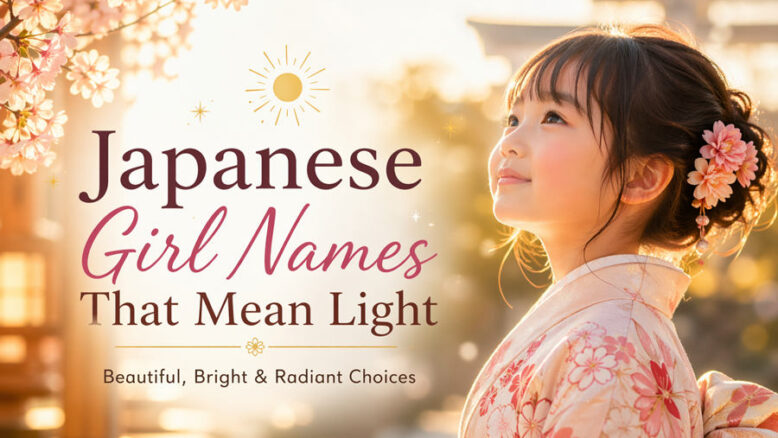
Japanese girl names linked to light can feel gentle, hopeful, warm, or radiant. Some directly use kanji that mean light or brightness, while others suggest sunshine, clear skies, dawn, or a glowing presence. That range is part of what makes this theme so appealing. The most important thing to remember is that Japanese name meanings depend on kanji, so the exact meaning can change from one written form to another.
What “Light” Can Mean in Japanese Girl Names
In Japanese names, “light” does not always show up in one simple way. Sometimes it is literal, as in a name that uses kanji for light or brightness. Sometimes it appears through images like the sun, morning light, clear weather, or shining beauty. In other cases, the connection is more symbolic and gives the name a bright, hopeful, or pure feeling rather than a direct dictionary meaning of “light.”
That is why light-inspired names can feel very different from one another. One name may sound soft and elegant, while another feels lively and full of energy. Some feel delicate and airy. Others feel warm, sunny, or quietly radiant. The best choice depends on what kind of brightness you want the name to carry.
Common Kanji Associated With Light
A few kanji appear often in names connected to light. 光 directly means “light.” 明 often carries the sense of brightness or clarity. 輝 is linked to shine, radiance, or sparkle. 陽 is strongly tied to sunshine, sunlight, and warmth. 旭 is associated with the rising sun, which gives it a fresh morning image.
These kanji do not all create the same mood. 光 feels direct and clear. 陽 feels warm and sunny. 輝 has a more vivid, glowing quality. This is one reason Japanese names can share a light theme while still feeling very different in tone.
Beautiful Japanese Girl Names That Mean Light
Names With a Direct Light or Brightness Meaning
These names are the closest fit for readers who want a meaning tied directly to light, brightness, or shining.
Hikari
Kanji example: 光
Meaning: light
Why it fits: Hikari is one of the clearest Japanese names in this theme. It feels graceful, simple, and bright. If you want a name that stays close to the direct idea of light, Hikari is one of the strongest choices.
Akari
Kanji examples: 明里, 明莉, あかり
Meaning: often associated with light, brightness, or a bright glow, depending on the form
Why it fits: Akari has a soft, feminine sound and a warm feeling. It is often linked to brightness and illumination, which makes it a natural choice for this theme. It feels modern, gentle, and easy to picture as an everyday name.
Hikaru
Kanji examples: 光, 輝
Meaning: to shine; light; radiance, depending on the kanji used
Why it fits: Hikaru feels active and lively because it suggests shining rather than stillness. It is a unisex name, but it can still be a beautiful option for girls, especially for readers who like a brighter, stronger sound.
Akemi
Kanji example: 明美
Meaning: bright beauty
Why it fits: Akemi combines brightness with beauty in a very clear way. It has a polished, feminine feel and works well for readers who want a classic name that still fits the light theme directly.
Akira
Kanji examples: 明, 昭, 亮
Meaning: bright or clear, depending on the kanji
Why it fits: Akira is traditionally unisex and is often discussed for its bright-related meanings. It feels clean, crisp, and understated. It may appeal most to readers who are open to a girl name with a slightly more neutral style.
Names That Suggest Shine, Glow, or Radiance
These names lean more toward a luminous image than a plain literal meaning. They still fit the light theme well, but with a softer or more polished feel.
Terumi
Kanji example: 照美
Meaning: shining beauty or illuminating beauty
Why it fits: Terumi has a warm, radiant quality. It feels feminine and classic, with a meaning that suggests glow and brightness without sounding too sharp or modern.
Teruko
Kanji example: 照子
Meaning: shining child
Why it fits: Teruko has a traditional style, especially because of the -ko ending. The shining image keeps it firmly tied to the light theme, while the overall sound feels timeless and composed.
Names Connected to Sunlight, Dawn, or Morning Light
Many readers searching for names that mean light also love names tied to sunshine, the rising sun, or bright daytime warmth. These names fit that side of the theme especially well.
Hinata
Kanji examples: 日向, 陽向
Meaning: sunny place or toward the sun, depending on the form
Why it fits: Hinata feels cheerful, open, and full of life. It does not mean “light” in the most direct sense, but it clearly belongs in this group because of its sunny image. It is a popular choice for readers who want warmth as much as brightness.
Himari
Kanji example: 陽葵
Meaning: often associated with sunlight and a bright floral image, depending on the kanji and interpretation
Why it fits: Himari has a soft, sunny sound that feels modern and sweet. It is often linked to warmth and brightness, especially in forms that use 陽. This makes it a lovely choice for a light-inspired girl name, even when the meaning is not purely literal.
Asahi
Kanji examples: 旭, 朝日
Meaning: morning sun
Why it fits: Asahi feels fresh and uplifting. It has a strong connection to dawn and the image of the rising sun. This gives it a brighter, more energetic tone than some of the softer names on the list.
Haruhi
Kanji examples: 晴日, 陽日, 春日
Meaning: can suggest sunny day, clear day, or spring day, depending on the kanji
Why it fits: Haruhi carries a gentle daylight feeling. It sounds calm and graceful, and it works well for readers who want a name tied to brightness without choosing a name that directly means light.
Soft and Elegant Names With Light Symbolism
Some names do not literally mean light, but they still suit this theme through ideas like clarity, clear weather, hope, or a bright emotional tone.
Harumi
Kanji example: 晴美
Meaning: clear-weather beauty
Why it fits: Harumi feels gentle and polished. Its brightness comes through the image of clear weather rather than direct light. That gives it a softer, more graceful kind of radiance.
Haruka
Kanji examples: 晴香, 遥, 春花
Meaning: meanings vary by kanji; some forms can suggest clear weather or brightness
Why it fits: Haruka is not always a light name, but some written forms give it a fresh, airy feeling that fits this theme nicely. It works well for readers who want something elegant and less literal.
Kiyomi
Kanji example: 清美
Meaning: pure beauty or clear beauty
Why it fits: Kiyomi sits on the symbolic side of the light theme. It suggests clarity, freshness, and purity rather than light itself. That still gives it a luminous feeling, especially for readers drawn to softer meanings.
Nozomi
Kanji examples: 希, 望
Meaning: hope, wish, or desire
Why it fits: Nozomi does not directly mean light, but it fits the theme through its emotional tone. Hope is often linked with brightness, guidance, and looking ahead. For readers who want a name with inner light, Nozomi is a thoughtful choice.
Rare and Unique Light-Inspired Choices
If you want a name that feels less expected, Terumi, Teruko, Asahi, and Harumi stand out. Terumi and Teruko have a distinctly traditional rhythm, which gives them a more classic feel than many modern light-themed names. Asahi feels brighter and bolder, while Harumi offers a quieter kind of beauty. These names may not be the first ones people mention, but that is part of their appeal.
Traditional and Modern Styles
Traditional-Sounding Choices
Akemi, Harumi, Terumi, and Teruko tend to feel more classic. They have a graceful, composed style that fits readers who want something timeless and feminine.
Modern and Soft Choices
Hikari, Akari, Himari, and Hinata often feel fresher and more current. They sound bright without feeling heavy, and they are easy to imagine in modern use. Asahi can also fit here if you want a sunrise image with a slightly bolder edge.
How to Choose a Japanese Girl Name Connected to Light
Start by deciding what kind of meaning matters most to you. If you want a direct light meaning, names like Hikari and Akemi are strong options. If you prefer a sunny or dawn-related image, Hinata, Himari, Asahi, and Haruhi may feel like a better fit. If you want something softer and more symbolic, Harumi, Kiyomi, or Nozomi may suit you better.
It also helps to think about style. Some names feel delicate and airy. Others feel strong, crisp, or traditional. Most importantly, check the kanji carefully. In Japanese, the exact meaning depends on the written form, so the same reading may carry different meanings in different families or name choices.
Are All Japanese Girl Names With “Light” Meanings Literal?
No. Some names are direct, like Hikari. Some are related to brightness, shining, or sunny warmth, like Akari, Hinata, or Asahi. Others fit more through imagery or symbolism, like Kiyomi and Nozomi. That is why it is important not to treat every name in this category as an exact one-word translation of “light.”
A more careful approach is more helpful. It lets readers see which names are literal, which are commonly associated with brightness, and which belong in the theme because of their emotional or poetic feel. That makes choosing a name easier and more accurate.
Final Thoughts on Japanese Girl Names That Mean Light
Japanese girl names tied to light can feel radiant, soft, sunny, or quietly hopeful. Hikari is one of the clearest direct choices, while Akari, Himari, Hinata, and Haruhi offer different shades of brightness. If you prefer a gentler and more symbolic feeling, Harumi, Kiyomi, and Nozomi bring warmth and clarity to the theme in a different way.
The best name depends on what kind of light you want it to hold. That may be literal light, shining beauty, morning sun, clear brightness, or a hopeful inner glow. That range is what makes this theme so rich and beautiful in Japanese names.
Note: Japanese names can often be written with multiple kanji, so the exact meaning depends on the characters chosen. This article treats some names as direct light names and others as light-inspired through common kanji forms or clear symbolic associations.