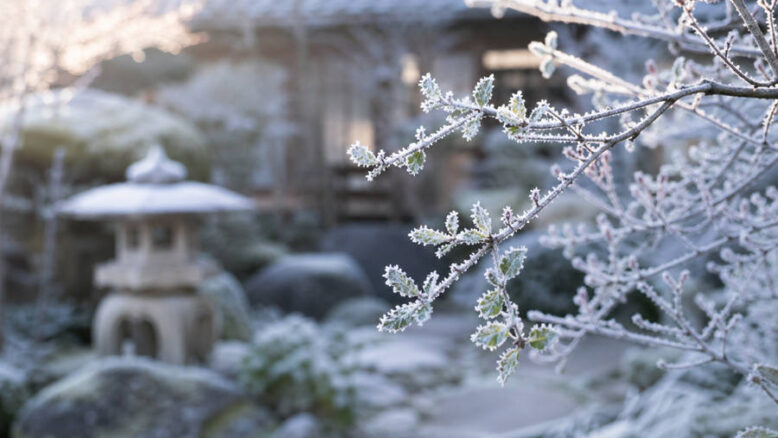
Frost feels quiet, bright, and a little magical. In Japanese, the main word for frost is 霜, read as shimo, and it brings to mind pale winter mornings, frozen leaves, and delicate white patterns on the ground.
For names, though, frost needs a careful touch. Some choices use 霜 directly, while others feel frost-like through kanji for snow, winter, ice, whiteness, moonlight, or clarity. This guide separates literal frost names from softer winter-inspired options, so you can choose a name that fits a baby, character, pet, or story naturally.
What “Frost” Means in Japanese Names
The most direct kanji for frost is 霜. It is usually read as shimo and means frost or hoarfrost. As an image, it brings to mind white winter mornings, cold air, frozen leaves, quiet fields, and a thin sparkling layer of ice.
In a name, frost can suggest:
- quiet beauty
- winter elegance
- purity and whiteness
- calmness and stillness
- cool strength
- a poetic or seasonal personality
Still, it helps to be realistic. A name that directly uses 霜 may sound more poetic, old-fashioned, surname-like, or fictional than a common modern given name. That can be perfect for a character, pet, pen name, or story setting. For a real child, a softer winter-related name such as Yuki, Rei, Fuyuki, Tōya, or Kiyoka may feel more natural.
Japanese Names That Directly Mean Frost
The names in this section use 霜, the kanji for frost. Some are direct word-based names, while others are creative kanji combinations. They are best understood as frost-themed ideas rather than guaranteed common Japanese baby names.
Shimo — 霜
Meaning: frost
Shimo is the clearest and simplest frost name because it is the direct Japanese word for frost. It has a short, crisp sound and a strong winter image. As a personal name, though, it may feel more symbolic than ordinary because it is also a regular nature word.
Shimoka — 霜花
Meaning: frost flower
Shimoka combines 霜, meaning frost, with 花, meaning flower. The image is gentle and beautiful, like frost forming on petals or a flower blooming in winter. This name is especially fitting for a fictional girl, a fantasy character, or a graceful pet name.
Shimone — 霜音
Meaning: frost sound
Shimone combines frost with 音, meaning sound. The meaning is poetic rather than common, but it has a soft and lyrical feeling. It may suggest the silence of a frosty morning, the faint crunch of frost underfoot, or a quiet winter melody.
Shimori — 霜里
Meaning: frost village, frost homeland
Shimori joins 霜 with 里, a kanji connected to a village, hometown, or countryside. It has a peaceful, place-like feeling, as if describing a small village touched by frost. Because of that, it may work especially well as a character name, surname-style name, or fictional place name.
Shimoyo — 霜夜
Meaning: frosty night
Shimoyo uses 夜, meaning night. It has a quiet, mysterious mood and suggests moonlight, cold air, and a pale winter sky. This is a lovely choice for a calm or elegant fictional character, but it is more poetic than everyday.
Shimotsuki — 霜月
Meaning: frost month
Shimotsuki combines 霜, meaning frost, with 月, meaning month or moon. It is best known as a traditional Japanese name for November. As a personal name, it is unusual, but it has a beautiful seasonal feeling and can work well for fiction, a surname-style name, a pet, or an artistic name.
Beautiful Frost-Inspired Japanese Girl Names
If you want a name that feels frosty without using 霜 directly, girl names connected to snow, winter flowers, whiteness, purity, and clear beauty are often easier to use. These names do not all mean “frost” word for word, but they carry a similar winter mood.
Yuki — 雪
Meaning: snow
Yuki is one of the most familiar Japanese winter names. When written as 雪, it means snow. It does not mean frost directly, but it shares the same imagery of whiteness, cold air, and winter softness. Yuki can also be written with other kanji, so the meaning depends on the spelling.
Setsuka — 雪花
Meaning: snow flower
Setsuka combines 雪, meaning snow, with 花, meaning flower. It has a graceful winter feeling and can suggest a flower touched by frost or snow. This is a lovely choice for readers who want something feminine, seasonal, and delicate.
Fuyuka — 冬花
Meaning: winter flower
Fuyuka uses 冬, meaning winter, and 花, meaning flower. It feels soft and natural while still carrying a clear cold-season image. Compared with direct frost names, Fuyuka may feel warmer and more name-like.
Kiyoka — 清花
Meaning: pure flower
Kiyoka combines 清, meaning pure or clear, with 花, meaning flower. The name does not mean frost, but its clean and bright meaning fits the image of a pale winter morning. It is a good option when you want a frosty feeling without an obviously cold name.
Shiraha — 白羽
Meaning: white feather
Shiraha combines 白, meaning white, with 羽, meaning feather or wing. It suggests softness, lightness, and pale beauty. The name is not a direct frost name, but the white imagery makes it fit naturally in a frost-inspired list.
Reika — 怜花 or 麗花
Possible meanings: wise flower, graceful flower, beautiful flower
Reika can be written with different kanji, which changes the meaning. 怜 can suggest wisdom or cleverness, while 麗 suggests beauty or elegance. Paired with 花, the name becomes refined and floral. Reika has a cool, polished sound that works well with winter and frost imagery.
Cool Frost-Inspired Japanese Boy Names
Frost-inspired boy names often feel calm, clear, strong, or wintery. Some use kanji for winter and ice, while others suggest purity, stars, trees, or transparent light.
Fuyuki — 冬樹
Meaning: winter tree
Fuyuki combines 冬, meaning winter, with 樹, meaning tree. It suggests endurance, patience, and quiet strength. A winter tree stands through the cold, making this one of the strongest and most natural frost-inspired choices.
Tōya — 冬也 or 透也
Possible meanings: winter, clear, transparent, depending on kanji
Tōya can be written in different ways. With 冬, it has a winter meaning. With 透, it suggests transparency or clarity. Both versions fit a frost theme: one through the season, the other through the clear, glass-like feeling of ice.
Rei — 怜, 玲, or 零
Possible meanings: wise, clear, bell-like, zero, depending on kanji
Rei is short, elegant, and flexible. It does not automatically mean frost, but some kanji choices give it a crisp, clear, refined feeling. This makes Rei a strong option for readers who want a subtle frost-inspired name rather than a literal one.
Hyōma — 氷真
Meaning: true ice
Hyōma combines 氷, meaning ice, with 真, meaning true or real. It has a sharper and more dramatic feeling than snow or winter names. Because it sounds bold and highly symbolic, it may be especially useful for fictional characters.
Seiya — 清也 or 星也
Possible meanings: pure, clear, or star-related, depending on kanji
Seiya can be written with kanji connected to purity or stars. While it does not mean frost directly, it can suggest a clear winter night, cold starlight, or a bright sky after frost. It is a good choice for a name with a cool, luminous feeling.
Kiyoshi — 清
Meaning: pure, clean, clear
Kiyoshi has a clean and dignified meaning. It does not translate as frost, but the ideas of purity and clarity connect naturally to frost’s white, shining appearance. It is also less obviously seasonal than names with snow or winter kanji.
Gender-Neutral Japanese Names With a Frosty Feeling
Many Japanese names can feel gender-neutral depending on the kanji, sound, and personal usage. These options are useful if you want a name that feels cool, simple, and winter-bright without leaning too strongly feminine or masculine.
Yuki — 雪 or 幸
Possible meanings: snow, happiness, good fortune
Yuki is a strong gender-neutral choice. With 雪, it means snow and fits a frost theme clearly. With 幸, it means happiness or good fortune. This is a helpful example of why kanji matters: the same reading can carry very different meanings.
Rei — 怜, 玲, or 零
Possible meanings: wise, refined, bell-like, zero
Rei has a clean, minimal sound. It can feel elegant, calm, and modern. For a frost-inspired name, it works best with kanji that suggest clarity, intelligence, brightness, or cool refinement.
Sora — 空
Meaning: sky
Sora means sky. It is not a frost name, but it pairs beautifully with winter imagery. A pale sky over frosted fields or a clear blue morning after a cold night fits the mood of this name.
Haku — 白
Meaning: white
Haku can be written with 白, meaning white. It has a simple, striking sound and a strong visual link to frost, snow, and ice. It works especially well for characters, pets, and symbolic names.
Tō — 冬 or 透
Possible meanings: winter or transparent
Tō can suggest winter when written with 冬, or transparency when written with 透. Both meanings fit frost imagery. The name is short and quiet, with a cool, modern feeling.
Kiri — 霧
Meaning: mist
Kiri means mist when written as 霧. Mist and frost are not the same, but both belong to cool, atmospheric nature imagery. Kiri feels soft, mysterious, and gentle.
Japanese Last Names Related to Frost and Winter
Frost-related kanji often feels especially natural in surnames. Japanese family names commonly include nature and place elements such as fields, mountains, rivers, villages, trees, and islands. If you are naming a fictional character, a frost surname may feel more believable than a very literal frost given name.
Shimoda — 霜田
Meaning: frost rice field
Shimoda combines 霜, frost, with 田, rice field. It creates the image of a field covered in frost on a cold morning.
Shimomura — 霜村
Meaning: frost village
Shimomura combines frost with 村, meaning village. It feels traditional, grounded, and place-based, making it a useful surname choice for fiction.
Shimoyama — 霜山
Meaning: frost mountain
Shimoyama uses 山, meaning mountain. The name suggests a cold mountain landscape, pale slopes, and winter air.
Shimokawa — 霜川
Meaning: frost river
Shimokawa combines frost with 川, meaning river. It suggests a cold riverbank, frozen reeds, or a stream running through a winter landscape.
Fuyuki — 冬木
Meaning: winter tree
Fuyuki, written as 冬木, can also feel surname-like. It is a calm nature name with a clear seasonal image.
Yukimura — 雪村
Meaning: snow village
Yukimura combines 雪, snow, with 村, village. It is not a frost name directly, but it belongs to the same winter landscape.
Yukishima — 雪島
Meaning: snow island
Yukishima combines snow with 島, meaning island. It has a scenic, story-like feeling and works well for fiction or place-inspired naming.
Poetic Frost Name Ideas
Some of the loveliest frost-themed names are poetic combinations. These are not always common real-life names, but they can be beautiful for characters, pets, fantasy worlds, and creative projects.
Frost Flower Names
- Shimoka — 霜花: frost flower
- Setsuka — 雪花: snow flower
- Fuyuka — 冬花: winter flower
These names feel soft and graceful. They are good choices when you want frost to feel delicate rather than harsh.
Frost Moon Names
- Shimotsuki — 霜月: frost month; also a traditional name for November
- Fuyutsuki — 冬月: winter moon
- Yukizuki — 雪月: snow moon, as a poetic reading
Moon names often feel elegant and slightly mysterious. They pair well with frost because both images are pale, cool, and quiet.
Frost Night Names
- Shimoyo — 霜夜: frosty night
- Fuyuyo — 冬夜: winter night, as a creative name reading
- Yukiyo — 雪夜: snowy night
These names are atmospheric and highly visual. They are best for fiction, pets, or symbolic names rather than everyday baby-name use.
How to Choose a Japanese Name That Means Frost
Start by deciding whether you want a literal frost meaning or a softer winter mood. If you want the name to mean frost directly, look for 霜. If you want the feeling of frost, you can also consider kanji connected to snow, winter, ice, white, purity, moonlight, mist, or clear air.
Next, check the kanji carefully. Japanese names are not only about sound. A reading like Yuki can mean snow with 雪, but it can mean happiness with 幸. A name like Rei can also have several meanings depending on the kanji. The writing matters as much as the pronunciation.
It is also worth thinking about how natural the name feels. A beautiful kanji combination may work wonderfully in a novel but feel unusual as a real given name. Direct frost names such as Shimoka, Shimoyo, and Shimotsuki are memorable, but they are more poetic than ordinary. Names such as Yuki, Rei, Fuyuki, Tōya, and Kiyoka may be easier to use for real-life inspiration.
For characters and pets, you can be more playful. A name with a strong image can help shape personality, mood, setting, or visual design. For a baby, it is better to confirm the reading and impression with someone knowledgeable in Japanese naming.
Best Japanese Frost Names for Different Uses
The best frost name depends on how you plan to use it. A poetic name may be perfect for a character, while a softer winter name may feel better for a real child.
Best Frost Names for Characters
- Shimoka — 霜花: delicate and floral
- Shimoyo — 霜夜: quiet, mysterious, and night-like
- Hyōma — 氷真: bold and ice-inspired
- Fuyutsuki — 冬月: elegant and moonlit
- Haku — 白: simple, pale, and symbolic
Best Frost-Inspired Names for Babies
- Yuki — 雪: snow
- Rei — 怜 or 玲: refined, wise, or clear-feeling depending on kanji
- Fuyuki — 冬樹: winter tree
- Kiyoka — 清花: pure flower
- Tōya — 冬也 or 透也: winter or clear, depending on kanji
Best Frost Names for Pets
- Shimo — 霜: frost
- Yuki — 雪: snow
- Haku — 白: white
- Kiri — 霧: mist
- Fuyu — 冬: winter
Conclusion
The most direct Japanese word for frost is 霜, read as shimo. Names such as Shimo, Shimoka, Shimoyo, and Shimotsuki carry clear frost imagery, though many of them feel more poetic or creative than everyday.
For a softer and more natural frost-inspired name, look at meanings connected to snow, winter, ice, whiteness, purity, moonlight, mist, and clear air. Names like Yuki, Fuyuki, Rei, Kiyoka, and Tōya can suggest the same cool beauty without being too literal.
Whether you are choosing a name for a baby, character, pet, or story, the best Japanese frost name is one that balances meaning, sound, kanji, and natural feeling. Frost is a quiet image, but in the right name, it can feel graceful, memorable, and full of winter light.