Fire-inspired Japanese names can feel bold, warm, and full of life. Some names connect directly to fire or flame, while others carry a softer meaning through light, sunshine, warmth, brightness, or a small glowing lamp. In Japanese, a name’s meaning depends on the kanji, so the same sound can change completely depending on how it is written. This guide explains Japanese names that mean fire, along with names that carry a fire-like feeling through light, sun, heat, and radiance.
What “Fire” Can Mean in Japanese Names
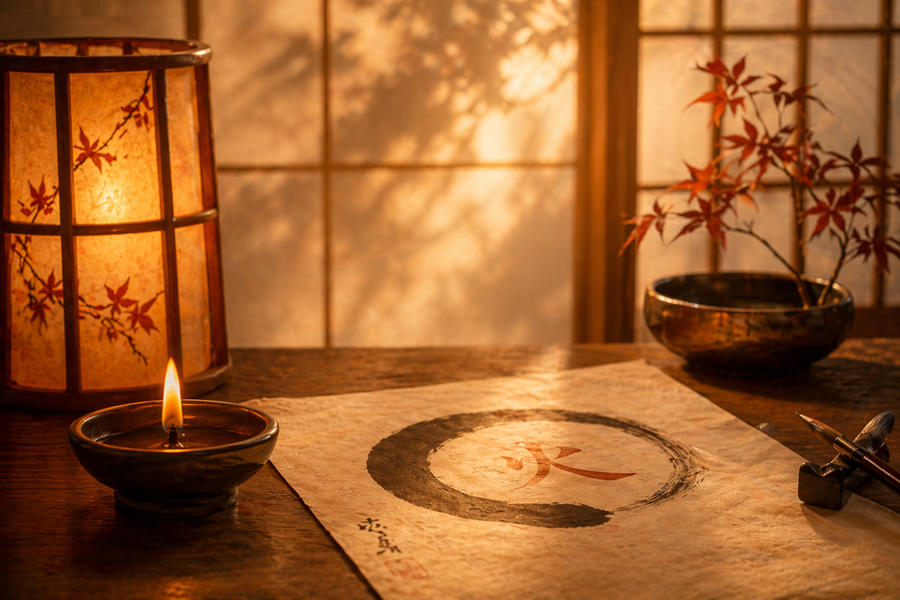
In Japanese names, “fire” does not always have to mean a literal flame. A name can feel fire-inspired because it uses kanji for fire, flame, light, sun, brightness, warmth, or radiance. This gives parents, writers, and name lovers many ways to choose a name with a fiery feeling without making it sound too harsh or dramatic.
The most direct fire kanji is 火, which means “fire.” Another strong option is 炎, meaning “flame” or “blaze.” These kanji are powerful, but they can feel intense in personal names. For this reason, many beautiful Japanese fire names use softer images instead, such as a lamp, sunlight, a clear day, or a warm glow.
For example, 灯 means “lamp” or “light,” and it can suggest a small, steady flame. 光 means “light,” while 陽 is connected to the sun, sunlight, and brightness. These kanji do not literally mean fire, but they carry the warmth and glow many readers want from a fire-inspired name.
Fire can also suggest courage, passion, strength, renewal, and the energy to keep going. A fire name can feel fierce and brave, but it can also feel comforting, like a candle in a dark room or morning sunlight after a long night.
Common Japanese Kanji Connected to Fire
Japanese names are built around kanji, and each kanji adds its own shade of meaning. For fire-inspired names, some kanji point directly to flames, while others create a gentler feeling through light, sunshine, warmth, or brightness.
火 — Fire
火 means “fire.” It is the most direct kanji for this theme. In names, it can suggest heat, energy, passion, and a fierce spirit, but it should be used carefully because it can feel strong or plain on its own.
炎 — Flame or Blaze
炎 means “flame” or “blaze.” It has a dramatic feeling and is often better for characters, stories, games, or symbolic names than for soft everyday baby names.
焔 — Flame or Blaze
焔 is another kanji connected to flame. It has a more literary or dramatic look, so it can work well for fictional names or rare, bold name ideas.
灯 — Lamp, Light, or Small Flame
灯 means “lamp” or “light.” It is one of the gentler fire-related kanji because it suggests a small, steady flame rather than a dangerous blaze.
燈 — Lamp or Light
燈 is a traditional-looking form connected to lamps and light. It gives names a warm, elegant, slightly old-fashioned glow.
陽 — Sun or Sunlight
陽 is connected to the sun, sunlight, and bright warmth. It does not mean fire directly, but it is one of the most natural kanji for warm, sunny names.
日 — Sun or Day
日 can mean “sun” or “day.” It appears in names connected to sunlight, sunny places, morning sun, and bright days.
光 — Light
光 means “light.” It can suggest radiance, hope, brightness, and a glow that feels close to fire without being literal.
明 — Bright or Clear
明 means “bright” or “clear.” It is useful for names that suggest clarity, openness, and illumination.
照 — Shine or Illuminate
照 means “to shine” or “to illuminate.” It can suggest sunlight, glowing light, or something that lights the way.
輝 — Shine or Radiance
輝 means “shine” or “radiance.” It often gives names a bright, hopeful, energetic feeling.
晴 — Clear Weather or Sunny
晴 means “clear weather” or “sunny.” It is a gentle way to bring warmth and brightness into a name.
Japanese Names That Directly Mean Fire or Flame
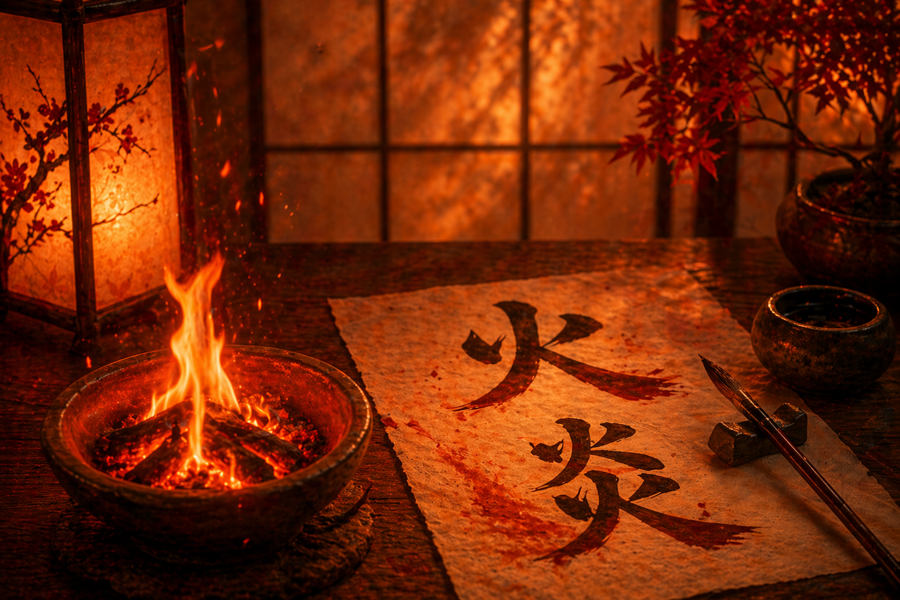
Some Japanese fire names use kanji that clearly point to fire, flame, or sparks. These names have a bold feeling, so they are especially useful for characters, stories, games, pets, usernames, and symbolic naming. A few may work as personal names, but direct fire words can feel intense or word-like in Japanese.
Homura — 炎 / 焔
Homura means “flame” or “blaze.” It is one of the clearest Japanese names connected to fire. The image is strong, emotional, and dramatic.
Homura can suggest passion, courage, intensity, and a spirit that keeps burning. Because the meaning is so direct, it often feels more natural for a powerful character than for a soft baby name.
Honoo — 炎
Honoo, also written as Honō, means “flame.” It is usually understood more as a Japanese word than a common personal name, but it can work well for a fictional character, pet, game name, or symbolic name.
Kaen — 火炎
Kaen is written with 火, meaning “fire,” and 炎, meaning “flame.” Together, 火炎 means “flame” or “blaze.”
Kaen has a sharp, bold sound, but it is more like a direct fire word than a natural everyday given name. It is best for fantasy characters, anime-inspired names, game characters, or creative projects.
Hibana — 火花
Hibana means “spark.” The kanji 火 means “fire,” and 花 means “flower.” Together, 火花 describes sparks, creating the image of tiny flowers of fire.
Hibana feels bright, lively, and energetic. It can suit a spirited character, though it should be used carefully as a real-life name because it is also a normal word.
Hinoka — 火乃香 / 火の香
Hinoka can be created with fire-related writing such as 火, meaning “fire,” and 香, meaning “fragrance.” The image can suggest “the scent of fire” or a warm, smoky atmosphere.
This is a creative name idea rather than a standard fire name. It may work better for a character, pen name, or story name than for everyday use.
Enka — 炎花
Enka can be written with 炎, meaning “flame,” and 花, meaning “flower.” Together, the image is “flame flower.”
This name feels poetic and dramatic. It may suit a graceful but powerful character. For a baby name, it may feel too stylized unless the kanji are chosen with care.
Enya — 炎矢
Enya can be written with 炎, meaning “flame,” and 矢, meaning “arrow.” This creates the image of a “flame arrow.”
Because the meaning is very visual, Enya works best for stories, games, fantasy names, or characters with a brave and action-oriented personality.
Honoha — 炎葉 / 火乃葉
Honoha can be written with kanji that suggest “flame leaf” or “fire leaf.” The kanji 葉 means “leaf,” which gives the fire image a softer, natural feeling.
This name is unusual and poetic. It can work well for a fictional character connected to autumn, nature, warmth, or quiet strength.
Japanese Girl Names That Mean Fire, Light, or Warmth
Many Japanese girl names connected to fire have a softer meaning than “flame” itself. Instead of using strong kanji like 火 or 炎, they often use kanji for light, sunshine, brightness, clear weather, or a warm glow. These names can feel bright and meaningful without sounding too harsh.
Akari — 灯 / 明里
Akari is one of the most beautiful soft fire names. Written as 灯, it means “light” or “lamp,” giving the image of a small, steady flame. Written as 明里, it can suggest a bright place or a place filled with light.
Akari feels warm, gentle, and hopeful. It is a lovely choice for readers who want a name connected to fire through light rather than a fierce blaze.
Hikari — 光
Hikari means “light.” It does not mean fire directly, but it carries the glow, brightness, and warmth people often connect with flame.
Hikari can suggest hope, clarity, kindness, and a bright path forward. It is softer than a direct fire name and feels more natural for everyday use.
Honoka — 炎花 / 穂乃香
Honoka can have many meanings depending on the kanji. A creative fire-related version could use 炎 and 花 for a “flame flower” image, though this is not the most typical way to understand the name.
Honoka is often written with softer, non-fire kanji, such as 穂乃香, which can suggest a natural fragrance. Because of this, Honoka should not be treated as a fire name unless the kanji clearly support that meaning.
Touka — 灯花 / 燈花
Touka can be written with 灯 or 燈, meaning “light” or “lamp,” and 花, meaning “flower.” Together, the name can suggest a “light flower” or a blossom glowing like a lamp.
Touka feels elegant, feminine, and poetic. It is a lovely option when you want the warmth of a small flame rather than the force of a blaze.
Haruhi — 春陽 / 晴日 / 陽日
Haruhi can be written in several warm and bright ways. 春陽 can suggest “spring sun,” while 晴日 and 陽日 can suggest a clear or sunny day.
This name does not mean fire directly, but it carries a gentle warmth. Haruhi feels cheerful, seasonal, and full of light.
Hinata — 日向 / 陽向
Hinata means “sunny place” or “facing the sun” when written as 日向 or 陽向. It is a warm, bright name with a natural connection to sunlight.
Hinata can be used for girls, boys, or gender-neutral naming depending on the person, kanji, and context. It fits this theme through sunlight, comfort, and positive energy.
Akane — 茜
Akane means “madder red,” a deep reddish color. It is not a literal fire name, but it can bring to mind sunset, embers, red light, and the warm color of flames.
Akane is a good option for readers who want a fiery feeling without using direct fire kanji.
Hina — 陽菜 / 日菜
Hina can be written with 陽 or 日, both connected to the sun, paired with 菜, which can refer to greens or plants. The result feels sunny, fresh, and bright.
Mei — 明
Mei can be written with 明, meaning “bright” or “clear.” It is not a fire name in the literal sense, but it fits the wider theme of light and illumination.
Youka — 陽花
Youka can be written with 陽, meaning “sun” or “sunlight,” and 花, meaning “flower.” The image is a sunny flower or a blossom filled with warm light.
For girl names, the most natural fire-inspired choices are often names that mean light, glow, sun, or warmth. Names like Akari, Hikari, Hinata, Haruhi, Akane, and Touka can carry a fiery feeling while still sounding soft and wearable.
Japanese Boy Names That Mean Fire, Light, or Burning Energy
Japanese boy names with fire symbolism often lean toward sunlight, brightness, courage, and strong energy. A few names can use direct flame kanji, but many of the most natural options use kanji such as 陽 for “sun,” 光 for “light,” 輝 for “radiance,” 明 for “bright,” and 照 for “shine.”
Haruto — 陽翔 / 晴翔
Haruto can carry a bright, sunny meaning depending on the kanji. Written as 陽翔, it combines 陽, meaning “sun” or “sunlight,” with 翔, meaning “to soar.” Written as 晴翔, it can suggest clear weather and flight.
Haruto does not mean fire directly, but it has a warm and uplifting image.
Haruki — 陽輝 / 晴輝
Haruki can be written with 陽 for “sun” and 輝 for “radiance,” creating the feeling of sunny brightness or sunlit radiance. With 晴輝, it can suggest clear, shining light.
Hikaru — 光 / 輝
Hikaru means “to shine” and can be written with kanji such as 光, meaning “light,” or 輝, meaning “radiance.” It is not a literal fire name, but it strongly fits the theme of brightness, glow, and illumination.
Hinata — 日向 / 陽向
Hinata means “sunny place” or “facing the sun.” It has a warm, open feeling and can suggest someone bright, kind, and full of life.
Akio — 明雄 / 昭夫
Akio can be written with kanji such as 明, meaning “bright,” and 雄, meaning “male” or “heroic.” It can also use 昭, which carries a bright or shining image.
Akio feels clear and classic. Its fire connection is symbolic, through brightness and strength.
Akira — 明 / 晶 / 亮
Akira can mean “bright,” “clear,” or “shining,” depending on the kanji. With 明, the meaning is especially close to brightness and clarity.
Teru — 照 / 輝
Teru can be written with 照, meaning “to shine” or “to illuminate,” or 輝, meaning “radiance.” Both kanji connect naturally to light and brightness.
Kouki — 光輝 / 晃輝
Kouki can be written with kanji related to light and radiance. 光輝 combines 光, meaning “light,” with 輝, meaning “radiance.” The name can suggest brilliant light or shining brightness.
Asahi — 朝日 / 朝陽
Asahi means “morning sun” when written as 朝日 or 朝陽. It fits the fire theme through sunrise, warmth, and new light.
Enji — 炎司 / 炎志
Enji can be created with 炎, meaning “flame,” paired with kanji such as 司 or 志. These combinations can suggest fiery purpose or a strong flame-like spirit.
This name feels more creative and character-like than everyday. It works better for fiction, games, or symbolic naming.
For boy names, the most natural fire-inspired choices are often sun and light names rather than literal flame names. Haruto, Haruki, Hikaru, Hinata, Asahi, Akira, and Kouki can carry warmth and strength while feeling more grounded than dramatic names like Kaen or Enji.
Gender-Neutral Japanese Names With Fire Symbolism
Some Japanese names connected to fire, light, and warmth can feel flexible across genders. These names usually avoid the harshness of direct flame kanji and instead use meanings related to brightness, sunlight, clear weather, radiance, or a warm inner glow.
Hikaru — 光 / 輝
Hikaru means “to shine.” It can be written with 光, meaning “light,” or 輝, meaning “radiance.” Both versions fit beautifully with fire symbolism because they suggest brightness, glow, and illumination.
Hinata — 日向 / 陽向
Hinata means “sunny place” or “facing the sun.” It works well across genders and fits the fire theme through sunlight rather than flame.
Akira — 明 / 晶 / 亮
Akira can mean “bright,” “clear,” or “shining,” depending on the kanji. It is a strong gender-neutral option because it feels simple, confident, and timeless.
Haru — 陽 / 晴 / 春
Haru can be written with several kanji. 陽 gives it a sunny meaning, 晴 suggests clear weather, and 春 means “spring.” For a fire-inspired meaning, 陽 or 晴 are the strongest fits.
Aki — 明 / 晶
Aki can carry a bright meaning when written with kanji such as 明, meaning “bright,” or 晶, suggesting clear brilliance. It can also be written with other kanji, so the meaning depends completely on the chosen characters.
Yō — 陽
Yō can be written with 陽, meaning “sun” or “sunlight.” It is not a flame name, but it naturally fits a fire-themed list because the sun is a strong symbol of warmth, light, and life.
Kou — 光 / 晃
Kou can be written with 光, meaning “light,” or 晃, meaning “bright” or “clear.” It is short, clean, and easy to pair with other kanji.
For gender-neutral fire symbolism, names connected to light and sun are usually the most natural. Hikaru, Hinata, Akira, Haru, Yō, and Kou all give a warm or radiant feeling without sounding as intense as direct flame names like Homura or Kaen.
Japanese Names That Mean Sun, Heat, or Warmth
Many of the most natural Japanese names connected to fire do not use the kanji for fire at all. Instead, they use images of the sun, warm weather, morning light, summer brightness, or a sunny place. These names often feel softer and more wearable than names that mean flame or blaze directly.
Taiyou — 太陽
Taiyou means “sun.” The kanji 太 can mean “large” or “great,” while 陽 connects to the sun and sunlight. Together, 太陽 is the normal Japanese word for the sun.
Because Taiyou is a direct word, it can feel bold or unusual as a given name. It works best for symbolic naming, characters, or creative projects.
Asahi — 朝日 / 朝陽
Asahi means “morning sun.” The kanji 朝 means “morning,” while 日 and 陽 both connect to the sun.
Asahi feels fresh and hopeful. It suggests new beginnings, warmth after darkness, and the first light of the day.
Hinata — 日向 / 陽向
Hinata means “sunny place” or “facing the sun.” It strongly suggests warmth and sunlight, making it a beautiful choice for readers who want a fire-inspired name that still feels soft and natural.
Haruhi — 春陽 / 晴日 / 陽日
Haruhi can suggest “spring sun,” “clear day,” or “sunny day,” depending on the kanji. It feels less intense than a flame name and more like sunlight on a clear morning.
Natsuki — 夏輝 / 夏希
Natsuki can include 夏, meaning “summer.” Written as 夏輝, it can suggest “summer radiance,” while 夏希 can suggest “summer hope.”
Summer names fit naturally with fire symbolism because they carry images of heat, sunlight, long days, and lively energy.
Kagerou — 陽炎
Kagerou means “heat haze,” the shimmering air seen in strong sunlight or heat. The kanji include 陽, connected to the sun, and 炎, meaning “flame.”
Kagerou is poetic and striking, but it is more word-like than name-like. It is usually better for characters, pen names, story titles, or symbolic use than for everyday baby naming.
Japanese Names That Mean Light Like Fire
Some of the most graceful Japanese names in this theme are connected to light, glow, radiance, or illumination. These names can still feel fiery, but they carry a gentler image: a candle in a quiet room, a lamp on a dark path, or sunlight touching the morning sky.
Akari — 灯 / 明里
Akari can mean “light” or “lamp” when written as 灯. This kanji gives the name a warm, fire-like glow, similar to a small flame that keeps shining steadily.
Hikari — 光
Hikari means “light.” It is one of the clearest Japanese names for brightness and radiance.
Hikaru — 光 / 輝
Hikaru means “to shine.” It can be written with 光, meaning “light,” or 輝, meaning “radiance.”
Teru — 照 / 輝
Teru can mean “to shine” or “to illuminate” when written with 照. With 輝, it carries the meaning of radiance or brilliance.
Touka — 灯花 / 燈花
Touka can be written with 灯 or 燈, meaning “light” or “lamp,” and 花, meaning “flower.” The image is soft and poetic: a flower glowing with lamplight.
Touma — 灯真
Touma can be written with 灯, meaning “light” or “lamp,” and 真, meaning “truth” or “genuine.” This can suggest “true light” or “genuine light.”
Touya — 灯也 / 燈也
Touya can use 灯 or 燈 for “light” or “lamp,” paired with 也, a common name-ending kanji. The light image can feel warm and steady.
Light names are some of the most useful choices in a fire-themed name list. They keep the warmth, hope, and brightness of fire while avoiding meanings that feel dangerous or too forceful.
Strong Fire Names for Characters, Stories, and Games
Some Japanese fire names are too intense for everyday baby naming, but they can be perfect for characters, fantasy stories, games, pets, usernames, or creative projects. These names often use direct flame kanji such as 火, 炎, and 焔, which give them a bold and dramatic feeling right away.
- Homura — 炎 / 焔: flame or blaze; strong, emotional, and memorable.
- Kaen — 火炎: flame or blaze; best for fantasy, powers, or dramatic characters.
- Hibana — 火花: spark; bright, lively, and energetic.
- Enya — 炎矢: flame arrow; sharp, fast, and action-driven.
- Enka — 炎花: flame flower; graceful but powerful.
- Souen — 蒼炎: blue flame; mysterious and supernatural.
- Kouen — 紅炎: crimson flame; bold and intense.
- Bakuen — 爆炎: explosive flame; too aggressive for real-life naming, but useful in fantasy.
- Gouka — 業火: hellfire or karmic fire; dark, heavy, and best used carefully in fiction.
- Rengoku — 煉獄: purgatory; dramatic and not suitable as an everyday given name.
Strong fire names can make a character unforgettable, but they work best when used with purpose. A name like Homura may feel noble and emotional, while Bakuen or Gouka feels much darker and more extreme.
Soft Fire Names for Babies and Everyday Use
For baby names and everyday use, softer fire-inspired names are usually the most natural choice. Instead of choosing a name that directly means “blaze” or “explosive flame,” many families prefer names connected to light, sunshine, warmth, clear weather, or a gentle glow.
- Akari — 灯 / 明里: light, lamp, or a bright place.
- Hikari — 光: light and radiance.
- Hinata — 日向 / 陽向: sunny place or facing the sun.
- Haruhi — 春陽 / 晴日 / 陽日: spring sun, clear day, or sunny day.
- Haruto — 陽翔 / 晴翔: sun and soaring, or clear weather and soaring.
- Haruki — 陽輝 / 晴輝: sunny radiance or clear shining light.
- Asahi — 朝日 / 朝陽: morning sun.
- Akira — 明 / 晶 / 亮: bright, clear, or shining.
- Touka — 灯花 / 燈花: light flower or lamp flower.
- Natsuki — 夏輝 / 夏希: summer radiance or summer hope.
Soft fire names are often the best choice for real-life use because they keep the warmth and beauty of fire without the harshness of literal flame.
Rare and Unique Japanese Fire-Inspired Names
Rare fire-inspired names can be beautiful, but they need extra care. Some are poetic combinations that may work well for characters, stories, pets, or pen names, while others may feel unusual for a real person. The kanji may look meaningful, but the full name should still sound natural in Japanese.
Touma — 灯真
Touma can suggest “true light” or a sincere light that keeps glowing. It is a softer rare option and does not mean fire directly.
Touya — 灯也 / 燈也
Touya uses kanji connected to lamps or light. It feels quiet and glowing rather than fiery.
Enka — 炎花
Enka can mean “flame flower.” It is vivid and dramatic, but more creative than everyday.
Honoha — 炎葉 / 火乃葉
Honoha can suggest “flame leaf” or “leaf of fire.” It may work well for a character connected to autumn, nature, change, or warmth.
Akito — 明人 / 暁人
Akito can suggest a “bright person” with 明人 or a person connected to dawn with 暁人. It is not a literal fire name, but it fits the theme through brightness and sunrise.
Akatsuki — 暁
Akatsuki means “dawn.” It brings to mind the first red-gold light before sunrise, so it can feel connected to fire, warmth, renewal, and the return of light.
Souen — 蒼炎
Souen can mean “blue flame.” It feels rare, cool, and supernatural, making it best for fantasy characters or symbolic names.
Kouen — 紅炎
Kouen can mean “crimson flame.” It has a strong visual impact and suits bold fictional names.
Rare fire-inspired names can be exciting, but the safest choices are usually the ones connected to light, dawn, sun, or warmth. Names built from direct flame kanji can be beautiful for fiction, but they may feel too dramatic for everyday life.
How to Choose a Japanese Name That Means Fire
Choosing a Japanese name that means fire is not only about finding the strongest flame kanji. A good name should sound beautiful, carry the right feeling, and make sense with its written characters. This is especially important in Japanese because the same pronunciation can have many different meanings depending on the kanji.
Decide Between Literal Fire and Symbolic Fire
If you want a name that clearly means fire, look for kanji such as 火, 炎, or 焔. Names like Homura, Kaen, and Hibana are easy to connect with fire because the meaning is clear.
If you prefer symbolic fire, look for kanji connected to light, sun, brightness, warmth, or radiance. Names like Akari, Hikari, Hinata, Asahi, and Haruki carry the feeling of fire without sounding harsh.
Check the Kanji, Not Just the Sound
Japanese name meanings depend on kanji. A name may sound perfect, but the meaning can change completely depending on how it is written. For example, Honoka can look fire-related if written with creative flame kanji, but it is often written with softer, non-fire kanji.
Choose Softer Kanji for Baby Names
For babies, names connected to light and warmth are often easier to use than names connected to blaze or destruction. Kanji such as 灯, 光, 陽, 明, 晴, and 輝 can create a bright and warm meaning while still feeling gentle.
Use Stronger Fire Kanji for Characters
If the name is for a character, story, game, or pet, you can be more dramatic. Names with 炎, 火, and 焔 can create a bold image right away. A character named Homura feels very different from one named Akari, even though both can connect to fire in some way.
Avoid Names With Negative Fire Meanings
Some fire-related words are not good name choices. A word may include the kanji for fire, but the full meaning may be dangerous, tragic, or unpleasant. For example, Kaji written as 火事 means a fire accident. It is not a beautiful flame name.
Think About Sound and Meaning Together
The best choice is a name where the sound, kanji, and feeling work together. Akari sounds soft and means light. Homura sounds bold and means flame. Hinata feels warm and means a sunny place.
Fire Names to Use Carefully or Avoid
Fire can be a beautiful symbol, but not every Japanese word connected to fire works well as a name. Some words sound too harsh, too destructive, or too much like ordinary vocabulary. Others have meanings connected to accidents, punishment, explosions, or danger.
- Kaji — 火事: means a fire accident or destructive fire.
- Kasai — 火災: means a fire disaster. Kasai can be a surname with other kanji, but this writing is not a good name meaning.
- Bakuen — 爆炎: means explosive flame or blazing explosion.
- Gouka — 業火: can mean hellfire or karmic fire.
- Jigoku — 地獄: means hell.
- Rengoku — 煉獄: means purgatory.
- Shakunetsu — 灼熱: means scorching heat or red-hot heat.
These words may be useful in fantasy writing or dramatic character design, but they are not suitable for soft everyday names. If a direct fire word feels too strong, consider Akari for “light,” Hikari for “light,” Hinata for “sunny place,” or Asahi for “morning sun.”
Cultural Symbolism of Fire in Japanese Names
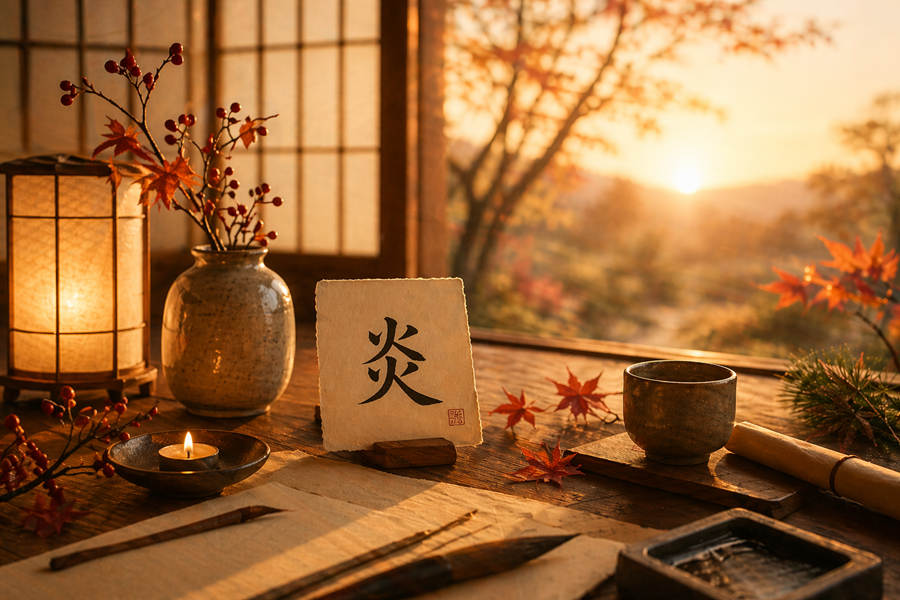
Fire has many layers of meaning in Japanese name ideas. It can be powerful and dramatic, but it can also be warm, gentle, protective, and full of life. That is why fire-inspired names can range from bold choices like Homura to softer names like Akari, Hikari, and Hinata.
In a name, fire often suggests energy. It can describe someone with a bright spirit, strong will, or passionate heart. This is why direct flame names are often popular for fictional characters who are fighters, leaders, protectors, or people with intense emotions.
Fire can also symbolize warmth. A name connected to a lamp, candle, sunlight, or morning sun can feel comforting instead of fierce. Names with kanji such as 灯, 光, 陽, and 日 often carry this softer feeling.
Fire also has a dangerous side. It can destroy, burn, or become uncontrollable. This is why some direct fire words are not good choices for real-life names. A name connected to a fire accident, hellfire, explosion, or disaster may sound dramatic, but it does not carry the warm, hopeful meaning most people want from a personal name.
For this reason, many of the most beautiful Japanese fire names are not the most literal ones. A name meaning “light,” “sun,” “sunny place,” “morning sun,” or “bright radiance” can express the best side of fire: warmth, courage, life, clarity, and hope.
Quick List of Japanese Names That Mean Fire
This quick list brings together direct fire names and softer fire-inspired names. Some mean fire or flame directly, while others connect to fire through light, sun, warmth, brightness, dawn, or radiance.
- Akari — 灯: light, lamp, warm glow
- Akari — 明里: bright place or place filled with light
- Hikari — 光: light, radiance
- Hikaru — 光 / 輝: to shine, light, radiance
- Homura — 炎 / 焔: flame, blaze
- Honoo — 炎: flame
- Hibana — 火花: spark
- Hinata — 日向 / 陽向: sunny place, facing the sun
- Haruhi — 春陽 / 晴日 / 陽日: spring sun, clear day, sunny day
- Haruto — 陽翔 / 晴翔: sun and soaring, clear weather and soaring
- Haruki — 陽輝 / 晴輝: sunny radiance, clear shining light
- Asahi — 朝日 / 朝陽: morning sun
- Touka — 灯花 / 燈花: light flower, lamp flower
- Touma — 灯真: true light, genuine light
- Touya — 灯也 / 燈也: light or lamp with a name-ending kanji
- Teru — 照 / 輝: shine, illuminate, radiance
- Akira — 明 / 晶 / 亮: bright, clear, shining
- Akio — 明雄: bright man, bright heroic image
- Kouki — 光輝: brilliant light, shining radiance
- Akane — 茜: deep red, madder red, warm reddish color
- Mei — 明: bright, clear
- Yō — 陽: sun, sunlight
- Youka — 陽花: sunny flower, sunlight flower
- Natsuki — 夏輝: summer radiance
- Akito — 明人 / 暁人: bright person, dawn person
- Akatsuki — 暁: dawn
- Taiyou — 太陽: sun
- Kaen — 火炎: flame, blaze
- Enka — 炎花: flame flower
- Enya — 炎矢: flame arrow
- Honoha — 炎葉 / 火乃葉: flame leaf, fire leaf
- Souen — 蒼炎: blue flame
- Kouen — 紅炎: crimson flame
- Kagerou — 陽炎: heat haze
Conclusion
Japanese names that mean fire can be bold, bright, gentle, or deeply symbolic. Some names, like Homura, Honoo, Hibana, and Kaen, connect directly to flame, spark, or blaze. These names have a strong image and often work best for characters, stories, games, pets, or creative projects.
For babies and everyday use, softer fire-inspired names are often the better choice. Names such as Akari, Hikari, Hinata, Asahi, Haruto, Haruki, and Akira carry warmth through light, sunshine, brightness, and radiance. They still feel connected to fire, but in a gentler and more natural way.
The most important thing to remember is that Japanese name meanings depend on kanji. A name may sound beautiful, but its meaning changes depending on how it is written. Before choosing a fire-related Japanese name, look carefully at the kanji, the full meaning, and the feeling the name creates.
The best fire name is not always the fiercest one. Sometimes the most meaningful choice is a steady light, a sunny place, a morning sun, or a warm glow that keeps shining.