Water is one of the most graceful themes in Japanese names. It can feel calm, clear, powerful, emotional, or full of movement, depending on the kanji used. Some names directly include water-related characters like 水, 海, 波, 雨, 泉, 雫, or 澪. Others are connected to water more softly through ideas like purity, coolness, flow, rain, or the sea.
This guide gathers Japanese names that mean water, along with names inspired by oceans, rivers, waves, rain, springs, droplets, and clear-water imagery. Because Japanese name meanings depend strongly on kanji, each name includes the written form that gives it a water-related meaning.
What “Water” Can Mean in Japanese Names
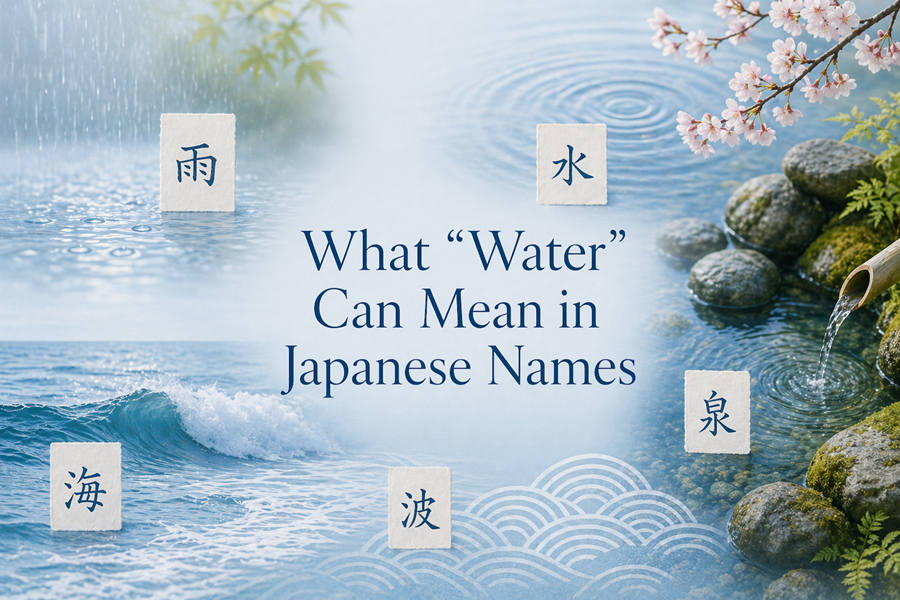
In Japanese names, water can appear in several ways. The most direct form is 水, the kanji for “water.” Other names use characters for the sea, rivers, rain, waves, springs, harbors, or flowing movement. This is why one Japanese water name may feel soft and peaceful, while another feels wide, strong, or adventurous.
The most important rule is simple: a Japanese name’s meaning depends on its kanji. The same sound can be written in different ways, and each spelling can create a different meaning. For example, Mizuki may be written with 水 for “water,” but it can also be written with kanji connected to auspiciousness, hope, beauty, or the moon. The sound alone does not always tell the full meaning.
Direct Water Meanings
Some names have a clear water meaning because the kanji itself points to water. Common water-related kanji include 水 for water, 海 for sea or ocean, 波 for wave, 雨 for rain, 泉 for spring or fountain, 雫 for droplet, 澪 for a water route or channel, and 湊 or 港 for harbor or port.
Names with these kanji are the easiest to understand as water names. Izumi means “spring” or “fountain” when written 泉. Nami means “wave” when written 波. Kai can mean “sea” when written 海. Each name is connected to water, but the feeling changes with the image behind it.
Symbolic Water Meanings
Not every water-inspired name literally means “water.” Some names feel connected to water because they suggest purity, calmness, freshness, coolness, blue color, or flowing movement. These names are best described as water-inspired rather than direct water names.
For example, a name using 清 may suggest purity or clearness, like clean water. A name using 涼 may suggest coolness, like a fresh stream. A name using 蓮 means lotus, a flower often associated with ponds and still water. These meanings are softer, but they can still fit beautifully into a water-themed name list.
Different Water Images Create Different Feelings
Water names can carry many moods. Ocean names often feel wide, free, and powerful. River names suggest movement, growth, and life paths. Rain names feel gentle, emotional, or seasonal. Wave names carry rhythm and energy. Spring and fountain names feel pure and renewing. Droplet names feel delicate, while harbor names suggest safety, travel, and return.
That variety is what makes water such a rich naming theme. The best choice depends on whether you want the name to feel calm, strong, poetic, bright, mysterious, or easy to use in everyday life.
Common Japanese Kanji Used in Water Names
Looking at the kanji is the best way to understand Japanese names that mean water. These characters shape the meaning, tone, and image of the name.
水 — Water
水 means “water.” It is the most direct kanji for this theme. In names, it may appear in combinations such as Mizuki, Mizuto, or Mizue. Because 水 is very literal, names using it can feel fresh and clear, though some combinations may sound more creative than everyday.
海 — Sea or Ocean
海 means “sea” or “ocean.” It is one of the most useful kanji for water-related names because it feels broad, bright, and full of movement. It may appear in names such as Kai, Kaito, Umi, Nanami, Takumi, Harumi, and Manami, depending on the full kanji combination.
川 and 河 — River
川 and 河 both relate to rivers. 川 is the common kanji for “river,” while 河 can feel broader or more literary in some names and words. These kanji are especially common in surnames and place-based names, but they also matter in water-themed given names such as Taiga when written 大河.
波 — Wave
波 means “wave.” It gives a name a rhythmic, ocean-like feeling. The clearest example is Nami, which means “wave” when written 波.
雨 — Rain
雨 means “rain.” Rain names can feel gentle, poetic, seasonal, or emotional. Some are lovely as creative names, but many rain words feel more literary than everyday.
泉 — Spring or Fountain
泉 means “spring” or “fountain.” The name Izumi is the main example. This kanji suggests clear, fresh water rising from the earth.
雫 — Droplet
雫 means “droplet.” The name Shizuku has a delicate image, like rain, dew, or a single drop of clear water.
澪 — Water Route or Channel
澪 refers to a water route or channel. It is often used for the name Mio. The meaning feels subtle, refined, and flowing rather than obvious.
湊 and 港 — Harbor or Port
湊 and 港 both relate to harbors or ports. Minato is the best-known name connected to this image. A harbor is not only water; it is a place of arrival, departure, safety, and connection.
Japanese Names That Directly Mean Water
Some Japanese names have a clear water connection because they use 水 or another strongly water-related kanji. These are good choices when you want the meaning to be easy to see. Still, not every name below is equally common as an everyday given name. Some feel natural, while others are better for characters, pets, pen names, or creative projects.
| Name | Possible Kanji | Meaning When Written This Way | Best Fit |
|---|---|---|---|
| Mizu | 水 | Water | Characters, pets, direct word names |
| Mizuki | 水希 | Water + hope | Modern names, characters, baby-name ideas |
| Mizuto | 水翔 | Water + soar | Boys, modern characters, creative names |
| Mizue | 水恵 | Water + blessing | Graceful, feminine-leaning names |
| Izumi | 泉 | Spring, fountain | Girls, neutral names, natural names |
| Mio | 澪 | Water route, channel | Soft, elegant names |
| Shizuku | 雫 | Droplet | Poetic names, characters, gentle names |
| Nami | 波 | Wave | Girls, pets, ocean-inspired names |
| Kai | 海 | Sea, ocean | Boys, neutral names, simple names |
| Minato | 湊 / 港 | Harbor, port | Boys, neutral names, character names |
Direct water names are helpful when you want the meaning to be clear. For real-life naming, softer and more familiar choices such as Mizuki, Izumi, Mio, Kai, Nami, or Minato may feel easier to use. More literal choices like Mizu can work beautifully for fictional characters, pets, or symbolic names, but they may feel more like words than standard personal names.
Japanese Girl Names That Mean Water
Many Japanese water names for girls feel soft, clear, and graceful. Some use direct water kanji, while others are connected to springs, waves, droplets, rain, or the sea. The key is to check the written form, because the same name sound may have different meanings with different kanji.
Mizuki — 水希, 瑞希, 美月, and other kanji
Mizuki is one of the most familiar water-themed name choices. When written with 水, it can connect directly to water. Other common-looking spellings may use 瑞 for auspiciousness or 美月 for beautiful moon imagery. For a water meaning, the spelling needs to include 水 or another water-related kanji.
Mio — 澪
Mio is short, soft, and elegant. When written 澪, it refers to a water route or channel. The meaning is subtle, making it a lovely choice for readers who want a gentle water name without using the direct kanji 水.
Izumi — 泉
Izumi means “spring” or “fountain” when written 泉. It feels calm, pure, and natural, like clear water rising from the earth.
Shizuku — 雫
Shizuku means “droplet.” It brings to mind rain, dew, or a clear drop of water on a leaf. The name feels delicate, visual, and poetic.
Nami — 波
Nami means “wave” when written 波. It is simple, bright, and easy to connect with the sea. It can feel gentle, lively, or playful depending on the context.
Nanami — 七海 and other kanji
Nanami can be written 七海, often understood as “seven seas.” Other spellings may have different meanings, so the ocean connection depends on the kanji.
Suiren — 水蓮
Suiren means “water lotus” or “water lily” when written 水蓮. It has a graceful, floral image and works especially well for poetic or character names.
Harumi — 晴海, 春海, and other kanji
Harumi can include 海, meaning “sea.” Depending on the first kanji, it may suggest a clear sea, sunny sea, or spring sea. It feels bright and gentle.
Manami — 愛海, 真海, and other kanji
Manami can become a sea-related name when written with 海. Depending on the full kanji, it may suggest “love and sea” or “true sea.”
| Name | Possible Kanji | Meaning When Written This Way | Style |
|---|---|---|---|
| Mizuki | 水希 | Water + hope | Fresh, modern, flexible |
| Mio | 澪 | Water route, channel | Soft, short, elegant |
| Izumi | 泉 | Spring, fountain | Natural, calm, graceful |
| Shizuku | 雫 | Droplet | Poetic, delicate, visual |
| Nami | 波 | Wave | Simple, bright, oceanic |
| Nanami | 七海 | Seven seas | Sweet, ocean-inspired, wide |
| Suiren | 水蓮 | Water lotus, water lily | Elegant, literary, floral |
| Harumi | 晴海 / 春海 | Clear sea / spring sea | Bright, gentle, classic |
| Manami | 愛海 / 真海 | Love + sea / true sea | Warm, feminine, ocean-inspired |
For everyday use, names like Mizuki, Mio, Izumi, Nami, Nanami, and Harumi may feel more natural than highly poetic options. For stories or creative projects, Shizuku and Suiren can create a stronger visual connection to water.
Japanese Boy Names That Mean Water
Japanese water names for boys often lean toward the sea, rivers, harbors, and wide natural movement. Ocean kanji such as 海 and river kanji such as 河 can give a name a sense of depth, freedom, and strength.
Kai — 海
Kai can mean “sea” or “ocean” when written 海. It is short, strong, and easy to pronounce. Because Kai can also be written with other kanji, the sea meaning only applies when 海 is the chosen spelling.
Kaito — 海翔, 海斗, and other kanji
Kaito can include 海 for “sea” or “ocean.” A spelling like 海翔 can suggest the image of the sea and soaring flight, giving the name a bright, adventurous feeling.
Minato — 湊 or 港
Minato means “harbor” or “port” when written 湊 or 港. It suggests water, travel, arrival, and return. The name feels steady and welcoming while still carrying a coastal image.
Taiga — 大河
Taiga can mean “big river” when written 大河. It has a strong, flowing feeling and brings to mind a wide river moving through the land.
Takumi — 拓海
Takumi can include 海, meaning “sea,” when written 拓海. The first kanji 拓 can suggest opening, developing, or clearing a path, so this spelling feels expansive and forward-moving.
Mizuto — 水翔, 水斗, and other kanji
Mizuto can be written with 水, the kanji for “water.” In combinations such as 水翔, it may suggest water and soaring movement. It feels modern and creative.
Sena — 瀬名, 瀬那, and other kanji
Sena can include 瀬, a kanji connected to shallows, rapids, or a current. This gives it a lighter river image than Taiga.
| Name | Possible Kanji | Meaning When Written This Way | Style |
|---|---|---|---|
| Kai | 海 | Sea, ocean | Short, strong, simple |
| Kaito | 海翔 | Sea + soar | Modern, bright, adventurous |
| Minato | 湊 / 港 | Harbor, port | Steady, coastal, welcoming |
| Taiga | 大河 | Big river | Bold, flowing, strong |
| Takumi | 拓海 | Open path + sea | Expansive, oceanic, determined |
| Mizuto | 水翔 | Water + soar | Fresh, modern, creative |
| Sena | 瀬名 | Current or shallows + name element | Gentle, flowing, modern |
For boys, the clearest water-related choices often come from ocean, harbor, and river imagery. Kai, Kaito, Minato, Taiga, and Takumi are strong options when written with the right kanji. Mizuto and Sena feel more modern or creative, so they may be especially useful for character names.
Gender-Neutral Japanese Names Connected to Water
Some Japanese water names feel balanced enough to work across gender lines, especially in creative naming. These names are useful for readers looking for unisex baby-name ideas, character names, pet names, or soft nature-inspired names.
| Name | Possible Kanji | Water Connection | Style |
|---|---|---|---|
| Izumi | 泉 | Spring, fountain | Natural, calm, balanced |
| Kai | 海 | Sea, ocean | Short, strong, simple |
| Mio | 澪 | Water route, channel | Soft, modern, flowing |
| Minato | 湊 / 港 | Harbor, port | Coastal, steady, welcoming |
| Nami | 波 | Wave | Light, rhythmic, oceanic |
| Shizuku | 雫 | Droplet | Poetic, gentle, reflective |
| Aoi | 碧 / 蒼 / 青 | Blue or green; symbolic water feeling | Cool, calm, nature-inspired |
| Ren | 蓮 | Lotus; water-associated flower | Simple, elegant, symbolic |
For a direct gender-neutral water meaning, Izumi, Kai, Mio, Minato, Nami, and Shizuku are the clearest choices. Names like Aoi and Ren can feel beautifully water-inspired, but they should be described as symbolic rather than direct translations of water.
Japanese Names That Mean Ocean or Sea
Ocean and sea names are some of the most popular water-related choices. While 水 means “water” in a direct sense, 海 gives a name a wider feeling: the sea, the horizon, travel, freedom, and emotional depth.
The kanji 海 may appear in name readings such as umi, kai, or mi, depending on the name. This makes it a flexible kanji for water-themed names.
| Name | Possible Kanji | Sea Meaning | Style |
|---|---|---|---|
| Umi | 海 | Sea | Simple, direct, word-like |
| Kai | 海 | Sea, ocean | Short, strong, clean |
| Kaito | 海翔 | Sea + soar | Modern, adventurous, bright |
| Nanami | 七海 | Seven seas | Sweet, oceanic, wide |
| Harumi | 晴海 / 春海 | Clear sea / spring sea | Gentle, warm, peaceful |
| Manami | 愛海 / 真海 | Love + sea / true sea | Soft, feminine, emotional |
| Takumi | 拓海 | Open path + sea | Strong, expansive, masculine |
| Umika | 海香 / 海花 | Sea fragrance / sea flower | Pretty, coastal, creative |
Kai, Kaito, Nanami, Harumi, Manami, and Takumi are useful because they feel more name-like while still carrying a sea connection when written with 海. Very direct choices like Umi are beautiful, but they can feel more like nature words than everyday personal names.
Japanese Names That Mean River or Stream
River and stream names feel different from ocean names. The sea suggests wideness and freedom, while rivers suggest movement, direction, growth, and the path of life. In Japanese names, river meanings may come from kanji such as 川, 河, 瀬, or 流.
| Name | Possible Kanji | River or Stream Meaning | Style |
|---|---|---|---|
| Taiga | 大河 | Big river | Strong, bold, flowing |
| Sena | 瀬名 / 瀬那 | Current or shallows + name element | Gentle, modern, river-like |
| Hayase | 早瀬 | Fast current, swift shallows | Lively, clear, poetic |
| Nagare | 流れ | Flow, current | Poetic, symbolic, creative |
| Ryu | 流 | Flow | Short, strong, kanji-dependent |
| Kawa | 川 | River | Direct, word-like, simple |
Taiga is one of the strongest river names because 大河 clearly means “big river.” Sena and Hayase feel lighter and more stream-like when written with 瀬. More literal names like Kawa and Nagare can be striking, but they often work better for characters, pets, or poetic names than for everyday given names.
Japanese Names That Mean Rain
Rain names have a softer and more emotional feeling than many other water names. They can suggest renewal, quiet beauty, fresh beginnings, or a reflective mood. In Japanese, 雨 means “rain,” and it may be read as ame or u depending on the word or name.
| Name | Possible Kanji | Rain Meaning | Style |
|---|---|---|---|
| Ame | 雨 | Rain | Simple, direct, word-like |
| Amane | 雨音 | Sound of rain | Gentle, musical, peaceful |
| Shigure | 時雨 | Passing seasonal rain | Poetic, literary, autumn-like |
| Hisame | 氷雨 | Cold rain, icy rain | Dramatic, quiet, winter-like |
| Samidare | 五月雨 | Early summer rain | Traditional, literary, seasonal |
| Harusame | 春雨 | Spring rain | Fresh, gentle, poetic |
Amane is one of the softer rain-inspired options when written 雨音, meaning “sound of rain.” Names such as Shigure, Hisame, Samidare, and Harusame have lovely seasonal images, but they feel more poetic or literary than simple everyday names.
Japanese Names That Mean Wave, Tide, or Shore
Wave, tide, and shore names sit between sea names and river names. They feel coastal, rhythmic, and full of motion. A wave can suggest energy and change, a tide can suggest cycles and return, and a shore can suggest the meeting point between land and sea.
| Name | Possible Kanji | Water Meaning | Style |
|---|---|---|---|
| Nami | 波 | Wave | Simple, bright, rhythmic |
| Namika | 波花 / 波香 | Wave flower / wave fragrance | Creative, soft, feminine |
| Namiko | 波子 | Wave child | Classic, gentle, traditional |
| Nagisa | 渚 | Shore, beach, water’s edge | Coastal, elegant, reflective |
| Shio | 潮 | Tide, seawater | Short, poetic, coastal |
| Shiomi | 潮美 / 汐美 | Beautiful tide | Elegant, rare, ocean-inspired |
Nami is the clearest wave name, while Nagisa offers a softer coastal image. Shio and Shiomi feel more tide-focused and poetic. These names are useful when you want a water meaning that is close to the sea without simply meaning “ocean.”
Japanese Names That Mean Spring, Fountain, or Clear Water
Some of the most beautiful water names come from quieter images: a clear spring, a small fountain, pure water, cool air, or fresh water rising from the earth. These names often feel calm, clean, and gentle.
| Name | Possible Kanji | Water Connection | Style |
|---|---|---|---|
| Izumi | 泉 | Spring, fountain | Natural, calm, direct |
| Kiyomi | 清美 | Pure beauty, clear beauty | Graceful, classic, symbolic |
| Kiyoka | 清香 / 清花 | Pure fragrance / pure flower | Soft, feminine, refined |
| Masumi | 真澄 | True clarity, pure clearness | Peaceful, elegant, mature |
| Suzuka | 涼香 / 涼花 | Cool fragrance / cool flower | Refreshing, graceful, summer-like |
Izumi is the most direct choice in this group because 泉 means “spring” or “fountain.” Names like Kiyomi, Masumi, and Suzuka are more symbolic. They do not literally mean water, but they can suggest purity, coolness, and clarity.
Rare and Poetic Japanese Water Names
Some Japanese water names feel more poetic than everyday. They may come from words for droplets, rain, flowing water, water surfaces, seasons, or flowers that grow near water. These names can be beautiful, but many work best for fictional characters, pen names, pets, games, or creative projects.
| Name | Possible Kanji | Meaning | Best For |
|---|---|---|---|
| Shizuku | 雫 | Droplet | Gentle characters, poetic names |
| Minamo | 水面 | Water surface | Dreamy, reflective names |
| Suiren | 水蓮 | Water lotus, water lily | Elegant, floral water names |
| Mizore | 霙 | Sleet | Winter characters, rare names |
| Shigure | 時雨 | Passing seasonal rain | Literary or emotional names |
| Hisame | 氷雨 | Cold rain, icy rain | Mysterious or winter-like characters |
| Nagare | 流れ | Flow, current | Symbolic or story names |
Rare water names are best when mood matters as much as meaning. Minamo feels reflective, Suiren feels elegant, Shigure feels rainy and literary, and Hisame feels cold and dramatic. These names can be memorable, but they should be used with a clear sense of how poetic or unusual they may feel.
Japanese Last Names That Mean Water
Many Japanese surnames are connected to natural places, including rivers, seas, valleys, islands, fields, and coastlines. Water-related kanji often appear naturally in family names, especially names based on landscapes.
| Last Name | Kanji | Meaning | Water Image |
|---|---|---|---|
| Mizuno | 水野 | Water field, water plain | Fresh, open, natural |
| Mizutani | 水谷 | Water valley | Peaceful, flowing, scenic |
| Mizushima | 水島 | Water island | Island, coastal, quiet |
| Mizuhara | 水原 | Water plain | Soft, spacious, natural |
| Kawaguchi | 川口 | River mouth | River opening, movement |
| Kawamura | 川村 | River village | Warm, rural, grounded |
| Kawahara | 川原 / 河原 | Riverbank, river plain | Natural, open, riverside |
| Nakagawa | 中川 | Middle river | Simple, balanced, natural |
| Ishikawa | 石川 | Stone river | Strong, rocky, flowing |
| Ogawa | 小川 | Small river, stream | Gentle, clear, modest |
| Umino | 海野 | Sea field, ocean plain | Wide, coastal, oceanic |
| Hasegawa | 長谷川 | Long valley river | Traditional, scenic, flowing |
Water-related Japanese last names often feel more place-based than given names. They may describe a river village, a water valley, a small stream, a rocky river, or land near the sea. For character naming, surnames like Mizuno, Mizutani, Ogawa, Ishikawa, and Umino can add a natural water connection without making the full name feel too literal.
Beautiful Japanese Water Names by Style
Water names can feel very different from one another. A droplet name does not carry the same mood as an ocean name. A river name feels different from a rain name, and a harbor name feels different from a wave name. If you already know the feeling you want, these style groups can help narrow the list.
Soft and Gentle Water Names
- Mio — 澪 — water route or channel
- Izumi — 泉 — spring or fountain
- Shizuku — 雫 — droplet
- Minamo — 水面 — water surface
- Kiyomi — 清美 — pure beauty, with clear-water symbolism
Strong Ocean and River Names
- Kai — 海 — sea or ocean
- Kaito — 海翔 — sea + soar
- Minato — 湊 / 港 — harbor or port
- Taiga — 大河 — big river
- Takumi — 拓海 — open path + sea
Elegant and Poetic Water Names
- Suiren — 水蓮 — water lotus or water lily
- Shigure — 時雨 — passing seasonal rain
- Hisame — 氷雨 — cold rain or icy rain
- Shiomi — 潮美 / 汐美 — beautiful tide
- Namika — 波花 / 波香 — wave flower or wave fragrance
Simple Water Names
- Kai — 海 — sea or ocean
- Mio — 澪 — water route or channel
- Nami — 波 — wave
- Umi — 海 — sea
- Mizu — 水 — water
Kai, Mio, and Nami are usually easier to imagine as names than very direct word names like Mizu or Umi. Still, all of them are useful for readers who want a water meaning that is clear and easy to understand.
Names With Water Symbolism, Not Direct Water Meaning
Some Japanese names do not literally mean “water,” but they still feel connected to water through color, purity, coolness, flowers, snow, or flow. These names can be beautiful choices, but they should be described honestly as water-inspired rather than direct water names.
| Name | Possible Kanji | Symbolic Connection | Important Note |
|---|---|---|---|
| Aoi | 碧 / 蒼 / 青 | Blue or green color, like sea or clear water | Does not directly mean water |
| Ren | 蓮 | Lotus growing in water | Water-associated flower name |
| Kiyo | 清 | Purity, clearness, clean-water feeling | Symbolic rather than literal |
| Ryo | 涼 | Cool, refreshing feeling | Only water-like with certain kanji |
| Yuki | 雪 | Snow, frozen water | Only snow-related with 雪 |
Symbolic names are useful when a direct water name feels too obvious. Aoi can suggest cool blue water, Ren can suggest lotus ponds, Kiyo can suggest purity, and Yuki can suggest frozen water when written 雪. These names can be lovely, as long as the difference is clear.
How to Choose a Japanese Name That Means Water
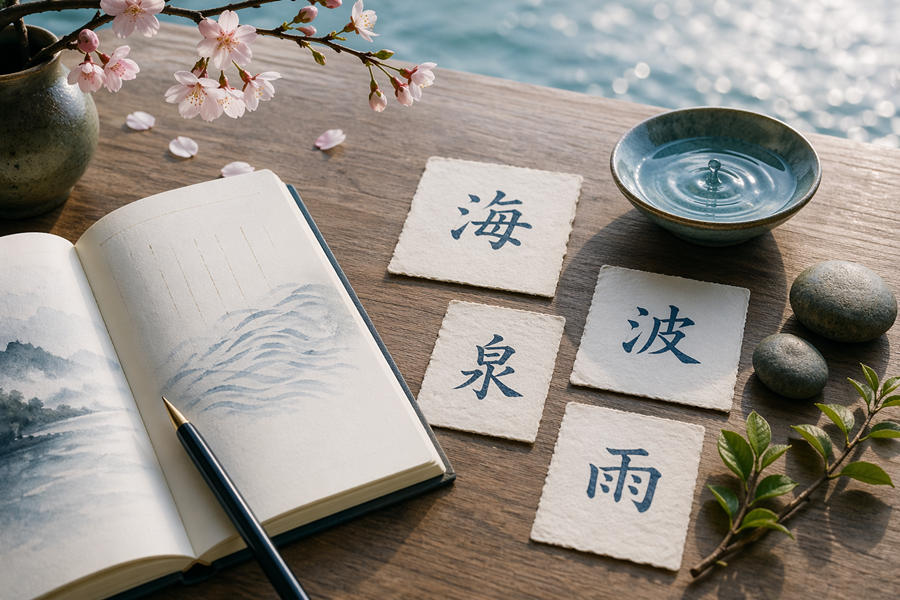
Choosing a Japanese water name is easier when you begin with the image you want. Water can be calm, powerful, soft, mysterious, bright, or emotional. A name connected to a spring will not feel the same as a name connected to a stormy sea, so it helps to choose the feeling first and the kanji second.
Start With the Mood
If you want a gentle name, look for meanings connected to springs, droplets, clear water, or soft rain. Names like Izumi, Mio, Shizuku, and Amane can feel calm and graceful when written with the right kanji.
If you want a stronger name, ocean and river names may fit better. Kai, Kaito, Minato, Taiga, and Takumi can carry a wider, more adventurous feeling when written with sea, harbor, or river kanji.
Choose the Right Water Image
Each water image brings its own tone. A sea name can suggest freedom, depth, travel, and courage. A river name can suggest movement, growth, and the path of life. A rain name can feel renewing, emotional, or poetic. A wave name can feel lively and rhythmic. A spring name can suggest purity, freshness, and quiet strength.
Check the Kanji
This is the most important step. A Japanese name’s meaning depends on how it is written. Kai can mean “sea” when written 海, but other kanji can give it a different meaning. Mizuki can include 水 for “water,” but it can also be written with kanji connected to the moon, beauty, hope, or auspiciousness. A name is only truly a water name if the kanji supports that meaning.
Think About How the Name Will Be Used
A baby name usually needs to feel natural, readable, and comfortable in everyday life. Familiar choices such as Mizuki, Mio, Izumi, Kai, Nanami, or Minato may feel easier to use than very rare or word-like names.
A fictional character name can be more dramatic. Names like Minamo, Suiren, Hisame, Shigure, Nagare, or Mizore can create a strong mood, especially if the character is connected to rain, rivers, winter, the sea, or quiet emotional depth.
Names to Use With Caution
Japanese water names can be beautiful, but not every water-related word works smoothly as a real name. Some choices are too literal, too rare, difficult to read, or emotionally heavy. A cautious name is not always a bad name; it simply needs more thought.
| Name Type | Examples | Why to Be Careful | Often Better For |
|---|---|---|---|
| Direct word names | Mizu, Umi, Ame, Kawa | May feel more like vocabulary words than personal names | Pets, characters, nicknames |
| Cold or sad rain names | Hisame, Mizore | Can carry a chilly or melancholy feeling | Fiction, winter-themed names |
| Poetic seasonal words | Shigure, Samidare, Harusame | May feel literary rather than everyday | Stories, poems, pen names |
| Creative kanji names | Namika, Umika, Shiomi | Meaning depends on whether the kanji and reading feel natural | Characters, artistic names |
| Kanji-dependent names | Kai, Mizuki, Yuki, Aoi, Ryo | The sound alone does not prove a water meaning | Any use, if kanji is checked |
The safest approach is to choose a name that sounds natural, has readable kanji, and carries the water meaning clearly. For real-life names, choices like Izumi, Kai, Mio, Minato, Nanami, and Mizuki with the right kanji may feel easier to use. For creative projects, more poetic choices can add beauty, mood, and depth.
Quick Reference Table: Japanese Water Names
This table gathers some of the clearest Japanese names connected to water. Use it as a starting point, then check the exact kanji before choosing a final name.
| Name | Possible Kanji | Meaning When Written This Way | Category | Best For |
|---|---|---|---|---|
| Mizu | 水 | Water | Direct water | Characters, pets, symbolic names |
| Mizuki | 水希 | Water + hope | Direct water | Modern names, babies, characters |
| Kai | 海 | Sea, ocean | Ocean / sea | Boys, neutral names, simple names |
| Kaito | 海翔 | Sea + soar | Ocean / sea | Boys, adventurous names |
| Nanami | 七海 | Seven seas | Ocean / sea | Girls, sweet ocean names |
| Minato | 湊 / 港 | Harbor, port | Harbor / coast | Boys, neutral names, characters |
| Nagisa | 渚 | Shore, beach, water’s edge | Shore / coast | Girls, neutral names, coastal characters |
| Taiga | 大河 | Big river | River | Boys, strong names |
| Nami | 波 | Wave | Wave | Girls, pets, simple water names |
| Amane | 雨音 | Sound of rain | Rain | Gentle names, poetic names |
| Izumi | 泉 | Spring, fountain | Spring / fountain | Girls, neutral names, natural names |
| Shizuku | 雫 | Droplet | Droplet | Girls, poetic names, characters |
| Mio | 澪 | Water route, channel | Water route | Girls, soft modern names |
| Minamo | 水面 | Water surface | Poetic water | Characters, artistic names |
| Suiren | 水蓮 | Water lotus, water lily | Poetic water | Elegant character names |
| Masumi | 真澄 | True clarity | Clear-water symbolism | Gentle, refined names |
| Aoi | 碧 / 蒼 / 青 | Blue or green | Symbolic water | Cool, nature-inspired names |
| Ren | 蓮 | Lotus | Water-associated flower | Simple, elegant names |
For the clearest water meanings, names like Mizuki, Kai, Izumi, Mio, Nami, Shizuku, Taiga, and Minato are strong starting points. For a softer or more symbolic feeling, names like Kiyomi, Masumi, Aoi, and Ren can carry the mood of water without meaning water directly.
Final Thoughts on Japanese Names That Mean Water
Japanese names that mean water can be calm, bright, powerful, poetic, or deeply emotional. Some names, like Mizu, connect directly to water through 水. Others, like Kai, Nanami, and Kaito, open the meaning toward the sea. Names like Izumi, Shizuku, Mio, and Nami bring softer images of springs, droplets, water routes, and waves.
The most important detail is the kanji. A name’s sound may be beautiful, but the written form gives it meaning. Kai means sea only when written 海. Mizuki connects to water only when the kanji includes 水 or another water-related character. Yuki means snow only when written 雪. Checking the kanji helps you choose a name with confidence instead of relying on a loose translation.
For real-life names, familiar choices such as Izumi, Kai, Mio, Minato, Nanami, and Mizuki may feel easier to use. For characters, pets, stories, or creative projects, more poetic names like Minamo, Suiren, Shigure, Hisame, or Nagare can create a stronger mood.
Water is a flexible theme because it can mean purity, movement, renewal, depth, calmness, strength, and change. Whether you prefer the quiet beauty of a spring, the energy of a wave, the softness of rain, or the wide freedom of the ocean, a Japanese water name can carry that image in a graceful and memorable way.