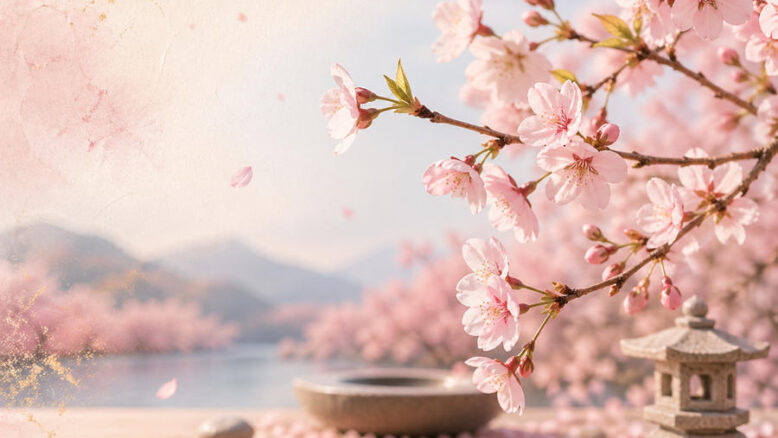
Blossom names have a soft, hopeful feeling. In Japanese, they can point to flowers opening, cherry blossoms in spring, or the quiet beauty of new beginnings.
The meaning depends on the kanji. 咲 connects most directly to blooming, 花 means flower, and 桜 means cherry blossom. This guide explains the Japanese writing, meanings, and natural feel of each name so you can tell which options truly mean blossom and which are blossom-inspired.
What “Blossom” Means in Japanese Names
In English, “blossom” can refer to a flower, the act of blooming, or the idea of growth. Japanese names can express these ideas in several ways.
咲
咲 is one of the clearest kanji for a blossom-related name. It means to bloom or blossom, and it appears in names such as Saki (咲), Misaki (美咲), Sakika (咲花), and Sakuto (咲人).
In a name, 咲 can suggest a flower opening beautifully. It can also give the name a bright, hopeful feeling.
花
花 means flower. It is not the same as the verb “to blossom,” but it is closely related in feeling. Names with 花 often sound graceful, natural, and floral.
You may see 花 in names such as Hana (花), Hanaka (花香), and Sakihana (咲花). This kanji is a good fit when the name should feel flower-like rather than specifically about blooming.
桜
桜 means cherry blossom or cherry tree. It has a strong spring feeling and is one of the most recognizable floral kanji in Japanese names.
Names such as Sakura (桜), Sakurako (桜子), Ouka (桜花), Mio (美桜), and Rio (莉桜) can include this cherry blossom meaning, depending on the spelling.
Japanese Girl Names That Mean Blossom
Saki — 咲 / 咲希 / 咲花 / さき
Saki is one of the most natural Japanese names connected to blossoming. When written as 咲, it uses the kanji for blooming or blossoming directly.
Other spellings add extra meaning. 咲希 can suggest blooming hope, while 咲花 combines blooming with flower. Saki is commonly used as a feminine name, though the exact impression depends on the kanji.
Sakura — 桜 / さくら
Sakura is one of the clearest Japanese blossom names. Written as 桜, it means cherry blossom or cherry tree. It can also be written in hiragana as さくら, which gives the name a softer look.
Sakura has a strong connection to spring in Japan. It feels familiar, graceful, and seasonal, with a meaning that is easy to understand.
Hana — 花 / 華 / はな
Hana means flower when written as 花. It does not literally mean “to blossom,” but it is one of the most direct and simple floral names in Japanese.
Another possible spelling is 華, which can suggest flower, beauty, splendor, or elegance. Hana is a gentle, easy-to-recognize choice for anyone who wants a name with a clear flower meaning.
Hanaka — 花香 / 花佳 / はなか
Hanaka is a floral name with a soft sound. Written as 花香, it can suggest “flower fragrance,” combining 花 for flower and 香 for fragrance.
Another possible spelling is 花佳, where 佳 can suggest beauty or excellence. Hanaka is less familiar than Hana or Sakura, but it has a delicate flower-inspired feeling.
Sakika — 咲花 / 咲香 / さきか
Sakika can be written as 咲花, combining 咲 for bloom with 花 for flower. This makes it one of the closest options for the meaning “blossoming flower.”
Another spelling, 咲香, can suggest blooming fragrance. Sakika feels bright, feminine, and strongly connected to flowers. It may be especially useful for creative naming or fictional characters.
Miharu — 美春 / みはる
Miharu is not a direct blossom name, but it has a beautiful spring feeling. Written as 美春, it can be interpreted as “beautiful spring,” with 美 meaning beauty and 春 meaning spring.
Because blossoms are closely tied to spring, Miharu works well as a blossom-inspired name. It feels warm and seasonal without directly naming a flower.
Koharu — 小春 / 心春 / こはる
Koharu has a gentle seasonal feeling. Written as 小春, the kanji literally combine “small” and “spring,” though the word 小春 can also refer to mild, springlike weather in late autumn or early winter.
Another name spelling is 心春, combining heart or spirit with spring. Koharu does not literally mean blossom, but it fits naturally with soft spring and flower imagery.
Japanese Boy Names That Mean Blossom or Bloom
Blossom and flower names are more often associated with girls, but the kanji 咲 can also appear in names used for boys. In boy names, it is often paired with stronger or more neutral kanji.
Saku — 咲 / 朔 / 作 / さく
Saku can be blossom-related when written as 咲. In this form, it connects directly to blooming.
However, Saku can also be written with kanji such as 朔 or 作, which have different meanings. This is a good example of why the written form matters so much in Japanese names.
Haruki — 春樹 / 陽希 / はるき
Haruki is more spring-inspired than blossom-specific. Written as 春樹, it combines 春, meaning spring, with 樹, meaning tree. This spelling can bring to mind a tree in spring, making it a natural fit for blossom imagery.
Another spelling, 陽希, has a brighter feeling, with 陽 suggesting sunlight and 希 suggesting hope. Haruki is a balanced choice for readers who want a nature name with a seasonal meaning.
Haruto — 春翔 / 陽翔 / はると
Haruto does not literally mean blossom, but it can carry a springlike feeling depending on the kanji. Written as 春翔, it combines spring with soaring or flying. Written as 陽翔, it suggests sunlight and flight.
Haruto feels lively and open. It works best as a blossom-inspired name rather than a direct blossom name.
Ouka — 桜花 / おうか
Ouka, written as 桜花, means cherry blossom. It combines 桜, meaning cherry blossom, with 花, meaning flower.
Ouka has a poetic and elegant feeling. It may sound more literary or symbolic than everyday names like Sakura or Hana, so it can be especially useful for character names, pen names, or creative projects.
Sakuto — 咲斗 / 咲人 / さくと
Sakuto can include the blossom kanji 咲. Written as 咲斗, the second kanji 斗 is often used for sound and style in modern names. Written as 咲人, the 人 character means person.
Because 咲 gives the image of blooming, Sakuto can feel bright and hopeful while still having a boy-name style.
Gender-Neutral Japanese Names Related to Blossom
Some Japanese names do not literally mean blossom but still fit beautifully with blossom imagery. These names often connect to spring, sunlight, flowers, or nature.
Haru — 春 / 陽 / はる
Haru can be written as 春, meaning spring. Since spring is the season of many blossoms, Haru naturally feels connected to blooming flowers.
It can also be written as 陽, which suggests sunlight. This gives the name a warm, bright feeling. Haru can be used for different genders depending on the kanji and context.
Hinata — 陽向 / 日向 / ひなた
Hinata can be written as 陽向 or 日向, both of which suggest a sunny place or facing the sun. It is not a literal blossom name, but it pairs naturally with spring and flower imagery.
Hinata feels warm and open. For a character, it can suggest someone bright, kind, and full of life.
Ren — 蓮 / れん
Ren, written as 蓮, means lotus. It does not mean blossom, but it is a flower name with a clean and elegant style.
Ren is often used as a masculine name, though it can feel flexible in creative contexts. It is a strong option for readers who want a floral name that is not connected to cherry blossoms.
Sora — 空 / 昊 / そら
Sora, often written as 空, means sky. Another possible name kanji is 昊, which can suggest a wide sky. Sora is not a blossom name.
Still, it can work as a blossom-inspired companion name because it brings to mind spring skies, open air, and falling petals. It is best used when the goal is atmosphere rather than a direct flower meaning.
Cherry Blossom Names in Japanese
Cherry blossom names are a special group because they are connected specifically to sakura. These names often feel graceful, seasonal, and strongly tied to spring.
Sakura — 桜 / さくら
Sakura is the most direct cherry blossom name. Written as 桜, it means cherry blossom or cherry tree.
This name is popular because its meaning is clear and its sound is soft. As a given name, it is often feminine, though sakura itself is simply the word for the flower or tree.
Sakurako — 桜子 / さくらこ
Sakurako, written as 桜子, can be interpreted as “cherry blossom child.” The ending 子 means child and appears in many traditional feminine Japanese names.
Sakurako feels more classic than Sakura. It has a graceful, traditional style and a clear connection to cherry blossoms.
Ouka — 桜花 / おうか
Ouka means cherry blossom when written as 桜花. It is elegant, compact, and strongly floral.
Because Ouka can feel poetic or dramatic, it often works well for fictional characters or symbolic names. It gives a clear cherry blossom image in only two kanji.
Mio — 美桜 / 実桜 / みお
Mio can be written in many ways. One blossom-related spelling is 美桜, where 美 means beauty and 桜 means cherry blossom. This gives the name the feeling of “beautiful cherry blossom.”
Another possible spelling is 実桜, where 実 can suggest fruit, truth, or fulfillment depending on interpretation. Mio only has a blossom meaning when the chosen kanji includes 桜.
Rio — 莉桜 / 理桜 / りお
Rio also has many possible kanji spellings. Blossom-related forms include 莉桜 and 理桜, both of which include 桜 for cherry blossom.
The first kanji changes the full nuance of the name. 莉 is often used in names with a delicate floral feeling, while 理 can suggest reason or order. Rio is a modern-sounding option for readers who want a stylish name with a possible sakura element.
Names That Mean Blooming Flower
For readers who want the closest meaning to “blossom,” names that combine 咲 and 花 are especially useful. These names bring together the ideas of blooming and flower.
Sakihana — 咲花 / さきはな
Sakihana, written as 咲花, can be interpreted as “blooming flower” or “blossoming flower.” It is one of the clearest choices for the exact feeling of blossom.
This name has a vivid floral image. It may feel more creative or uncommon than simpler names like Hana or Sakura, which makes it especially suitable for character naming.
Sakika — 咲花 / 咲香 / さきか
Sakika can be written as 咲花, suggesting a blooming flower. Another possible spelling is 咲香, which can suggest blooming fragrance.
Sakika feels bright and floral. It is a good choice when the reader wants a name that clearly includes the idea of blooming without using Sakura.
Emi — 咲美 / 恵美 / えみ
Emi has several possible kanji spellings. The spelling 咲美 can suggest “blooming beauty,” combining 咲 for bloom and 美 for beauty.
A more familiar spelling is 恵美, which does not mean blossom but can suggest blessing and beauty. Emi only has a blossom-related meaning when written with 咲.
Misa — 美咲 / みさ
Misa may be connected to blossoms when written as 美咲, combining 美 for beauty and 咲 for bloom. This can be interpreted as “beautiful bloom” or “beautiful blossom.”
However, 美咲 is also commonly read as Misaki. Misa can work in creative contexts, but the intended reading should be made clear.
Misaki — 美咲 / みさき
Misaki, written as 美咲, is one of the strongest blossom-related names on this list. 美 means beauty, and 咲 means bloom or blossom, so the name can be understood as “beautiful blossom” or “beautiful bloom.”
Misaki has a natural Japanese name feel and is easier to recognize than some more creative blossom combinations. It is a lovely option for readers who want a familiar-sounding name with a clear floral meaning.
Blossom-Inspired Japanese Names for Characters
For writers, gamers, and creators, blossom names can help set a character’s mood. Some names feel soft and gentle, while others feel bright, elegant, or modern.
Soft and Gentle Names
Hana (花 / 華 / はな), Sakura (桜 / さくら), Koharu (小春 / 心春 / こはる), and Miharu (美春 / みはる) all have a gentle feeling.
Hana is simple and floral. Sakura is clearly tied to cherry blossoms. Koharu and Miharu bring in spring warmth rather than a direct flower meaning. These names work well for characters who are kind, graceful, thoughtful, or closely connected to nature.
Bright Spring Names
Haru (春 / 陽 / はる), Haruka (春花 / 遥 / はるか), Haruhi (春日 / 陽日 / はるひ), and Hinata (陽向 / 日向 / ひなた) are useful when you want a name that feels sunny or seasonal.
These names do not all mean blossom, but they can support a spring-themed character beautifully. For example, 春花 for Haruka can suggest “spring flower,” while 遥 has a completely different meaning. The kanji choice is what creates the blossom connection.
Elegant Floral Names
Sakurako (桜子 / さくらこ), Ouka (桜花 / おうか), Mio (美桜 / みお), and Misaki (美咲 / みさき) feel more polished or poetic.
Sakurako has a classic charm, while Ouka feels symbolic and dramatic. Mio and Misaki can feel modern but still graceful when written with blossom-related kanji. These names are good fits for refined, artistic, or memorable characters.
Modern Blossom Names
Saki (咲 / 咲希 / さき), Sakika (咲花 / 咲香 / さきか), Rio (莉桜 / 理桜 / りお), and Hanaka (花香 / 花佳 / はなか) have a lighter modern feel.
They are pretty without sounding too heavy, and their meanings can shift depending on the kanji. For a modern character, these names can suggest freshness, beauty, and quiet confidence.
Conclusion
Japanese names that mean blossom can be direct, poetic, or gently inspired by flowers and spring. Names with 咲 are the clearest choices for blooming or blossoming. Names with 花 bring in flower imagery, while names with 桜 point specifically to cherry blossoms.
For a direct blossom meaning, names like Saki (咲), Sakika (咲花), Sakihana (咲花), and Misaki (美咲) are strong options. For cherry blossom imagery, Sakura (桜), Sakurako (桜子), Ouka (桜花), Mio (美桜), and Rio (莉桜) may be better fits.
For a softer seasonal feeling, names like Haru (春), Koharu (小春), Miharu (美春), and Hinata (日向) can be beautiful choices. The best name depends on whether you want the image of a flower in bloom, a cherry blossom in spring, or the quiet hope of something beginning to open.